
faculty led programs
Faculty Led Programs
STEM, Innovation & Future Technologies

AI, Space Technology & Digital Innovation
India is emerging as a laboratory for mission-driven technology development — combining artificial intelligence, digital public infrastructure, semiconductor ambitions, and space innovation into a coordinated national strategy. This theme explores how technological capacity is built at scale: how compute infrastructure is financed, how talent pipelines are cultivated, how regulatory frameworks are designed, and how research translates into startup ecosystems and public systems.
Explore Theme.jpg)
Engineering & Manufacturing
Manufacturing is not merely production — it is coordination. It is the choreography of materials, machines, labor, logistics, capital, standards, policy incentives, and global trade positioning.
Explore Theme.jpg)
Food Studies
Food is one of the most powerful analytical lenses available to students of society. It links soil to city, climate to culture, labor to logistics, ritual to regulation. Through food, we can trace migration patterns, ecological constraints, gendered labor, global trade routes, public health systems, and climate vulnerability.
Explore Theme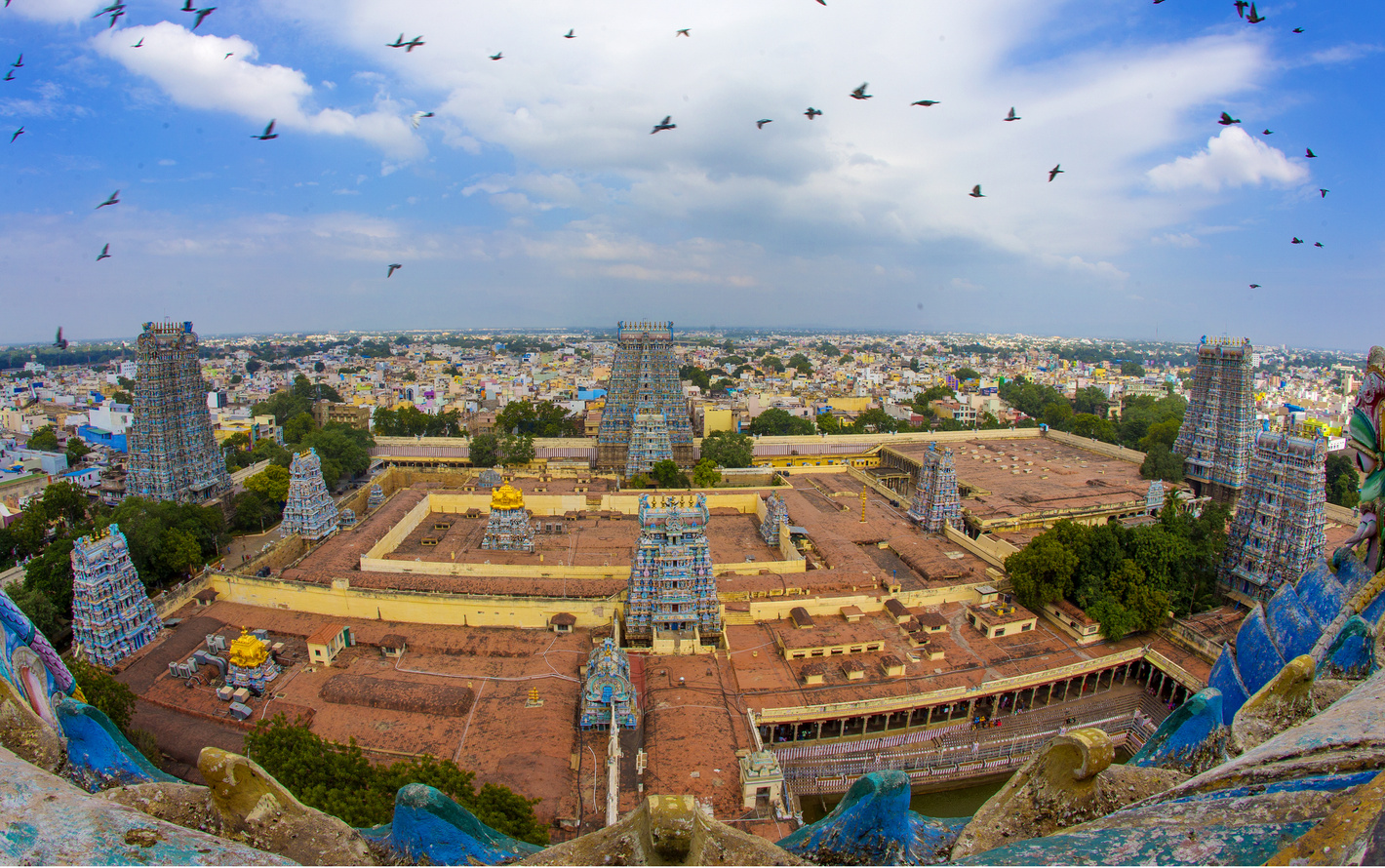
Architecture
Architecture in the Indian subcontinent has historically mediated between cosmology and climate, sovereignty and settlement, ritual and regulation. From Vāstu Śāstra–guided temple complexes to colonial port infrastructures, from Le Corbusier’s Chandigarh to B.V. Doshi’s climate-sensitive modernism, the built environment becomes a record of belief systems, political authority, ecological intelligence, and economic exchange.
Explore Theme.jpg)
Climate Change & Environmental Justice
Climate change is not experienced uniformly. Rising seas, glacial retreat, biodiversity collapse, extreme heat, and water scarcity disproportionately affect communities already structured by inequality. Exposure and vulnerability are shaped by land tenure, gender, caste, class, migration status, and institutional capacity.
Explore Theme
Digital Public Infrastructure & GovTech
Digital Public Infrastructure (DPI) is transforming how states structure identity, deliver services, move money, and govern at scale. Unlike abstract models of e-governance, India offers a visible and interoperable public digital “stack” — identity (Aadhaar), payments (UPI), registries, DigiLocker, DIKSHA, eSanjeevani, POSHAN Tracker — that can be studied as functioning institutional architecture.
Explore Theme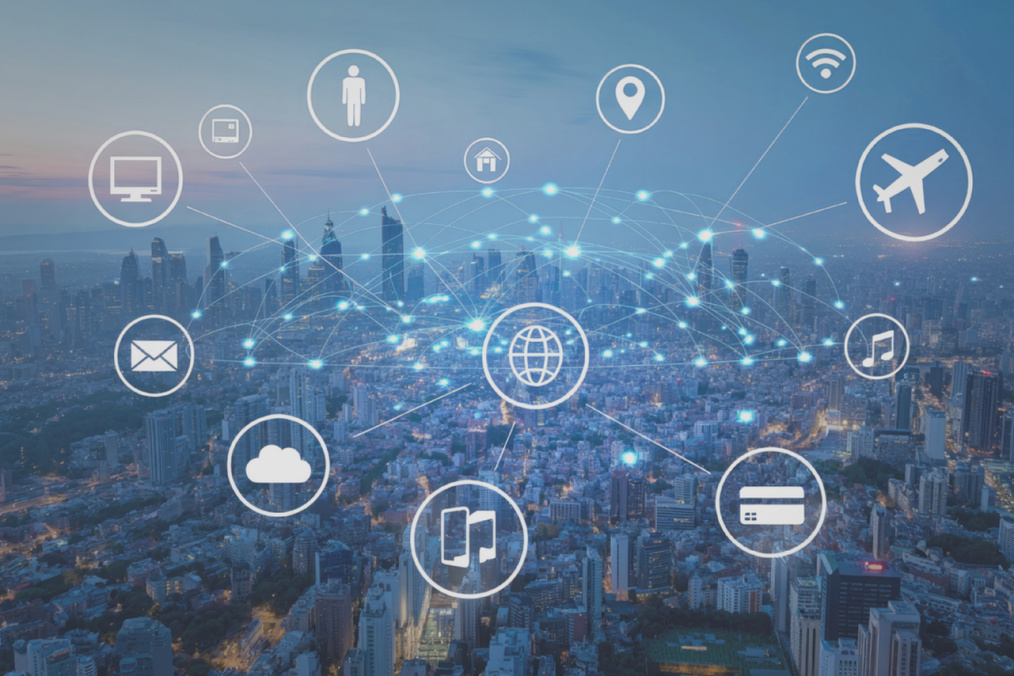
Smart Cities, Urbanization & Infrastructure Justice
Cities are not neutral spaces — they are systems that distribute access, opportunity, and risk. Infrastructure determines who receives reliable water, safe mobility, digital connectivity, cooling, sanitation, and public space — and who does not. This theme examines urbanization through the lens of infrastructure justice. India offers a uniquely instructive case: the Smart Cities Mission produced a large portfolio of digital command-and-control centers, urban dashboards, mobility projects, public space redesigns, and governance reforms.
Explore ThemeCommunity, Equity & Global Systems
.jpg)
Community Engagement & Community-Based Learning
Community engagement, when academically grounded, becomes Community-Based Learning (CBL): a reciprocal, ethically structured partnership between students, faculty, and host communities. This theme moves beyond charity models toward co-production of knowledge, shared problem-solving, and faculty-aligned research engagement.
Explore Theme
Gender Studies & Women's Empowerment
Gender operates through institutions — markets, cooperatives, safety systems, public health networks, governance structures, and community norms. This program examines empowerment not as a slogan, but as a structured interaction between agency and constraint.
Explore Theme.jpg)
Healthcare Systems
Healthcare systems are complex socio-technical ecosystems shaped by governance structures, financing mechanisms, workforce distribution, infrastructure, digital innovation, and culturally embedded healing traditions. Understanding how care is delivered requires moving beyond clinical settings to examine institutions, referral hierarchies, data systems, policy incentives, and the social determinants that influence access and outcomes.
Explore Theme.png)
Rural Development & Sustainable Livelihoods
Rural economies are complex systems shaped by ecology, institutions, migration, markets, and governance. Far from static or peripheral, rural regions are sites of adaptation, innovation, and institutional experimentation. Households combine assets—land, labor, skills, social capital, ecological resources—within evolving policy and market contexts.
Explore Theme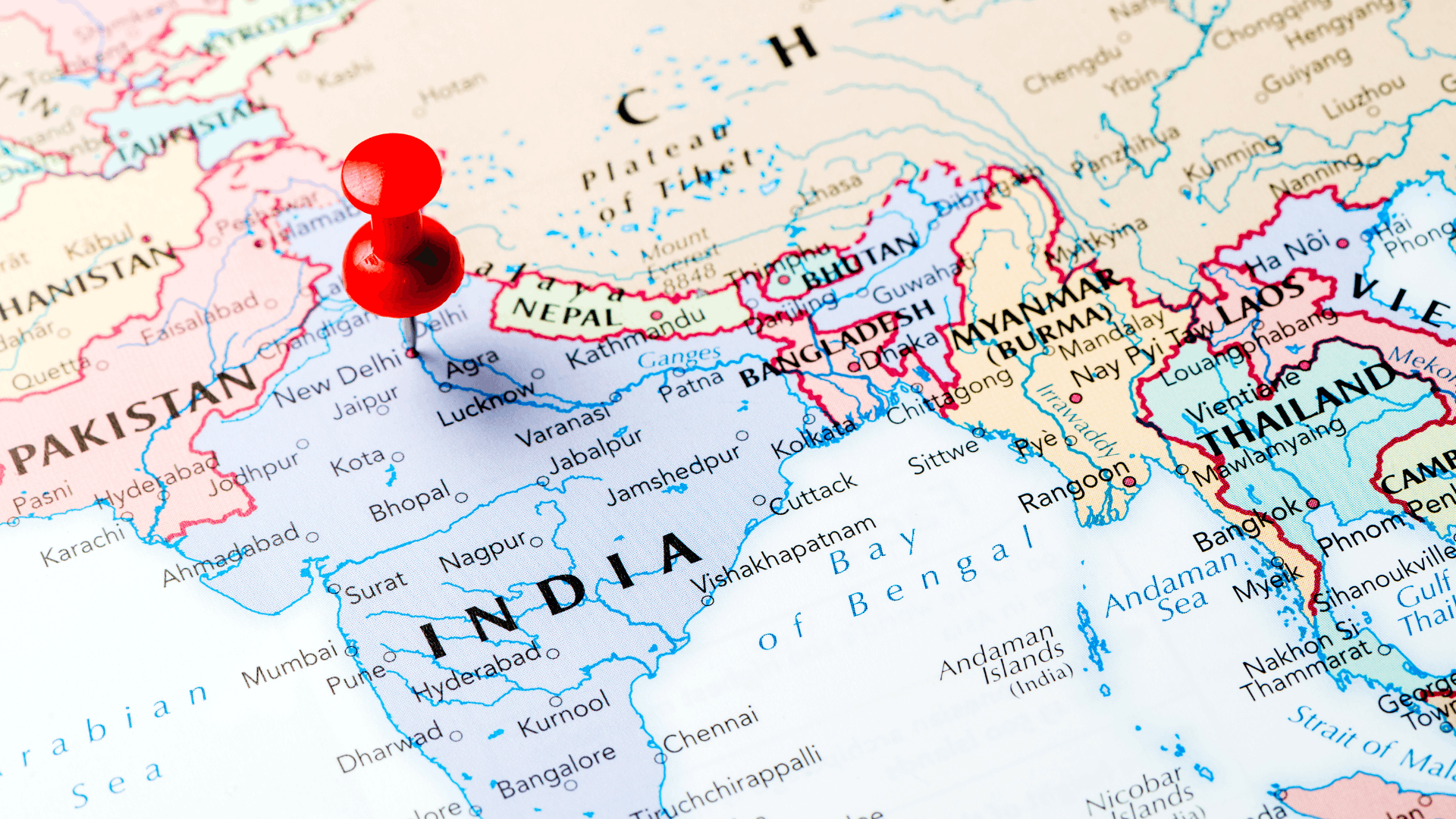
Security, Geopolitics & Maritime Order
This program is designed as an academic security studies immersion, not tactical or operational training. It examines how states interpret threats, construct strategy, manage crises, and navigate complex regional environments.
Explore Theme
Security, South Asia Geopolitics & Maritime Strategy
This theme is designed as an academic security studies program — not tactical training — focused on geopolitics, regional security dilemmas, and maritime strategy in the Indo-Pacific. It situates India within overlapping strategic theatres: continental border tensions, Indian Ocean maritime competition, neighborhood complexities, and evolving global partnerships.
Explore Theme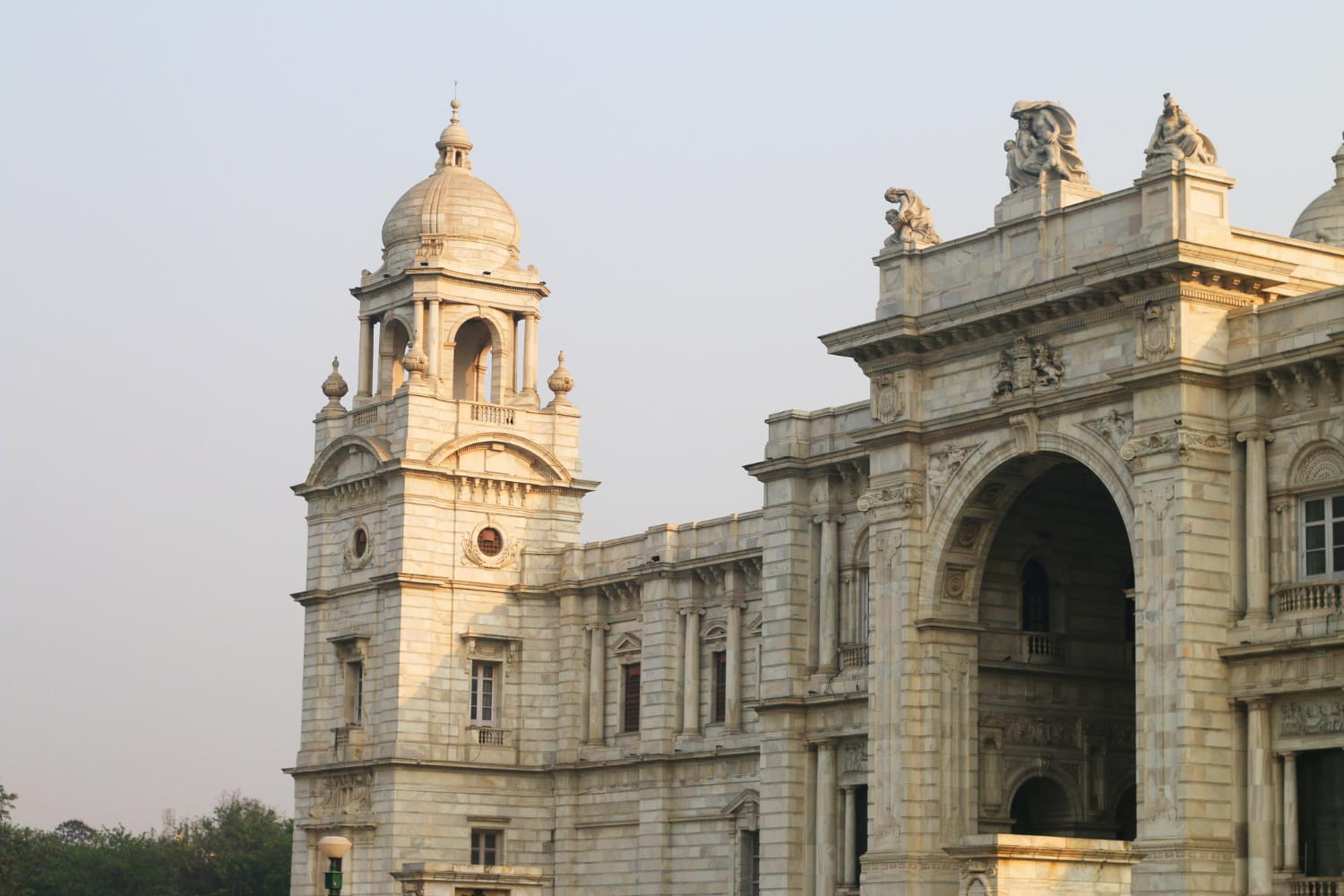
Security, Geopolitics & Maritime Strategy
This 13-day program begins with foundational frameworks in security studies, levels of analysis (individual, state, system), and ethics of policy reasoning. The Delhi phase focuses on continental geopolitics and alliance structures. Students analyze Indo-Pacific strategy narratives, India–China border stabilization case studies, India–Pakistan deterrence dynamics, and the strategic logic of partnerships
Explore Theme.jpg)
Criminal Justice Systems, Human Rights & International Law
Criminal justice systems are institutional expressions of social order, state authority, and normative visions of justice. They shape who is protected, who is punished, and how legitimacy is constructed.
Explore Theme.jpg)
Global Health and One Health Systems
Global health is increasingly defined by cross-sector risk at the human–animal–environment interface. Outbreak preparedness, antimicrobial resistance (AMR), food safety, zoonotic spillover, climate-driven mobility, and watershed degradation require coordinated governance beyond traditional public health silos.
Explore Theme.jpg)
Social Entrepreneurship, Microenterprise & Inclusive Markets
Markets are not neutral spaces. They are shaped by institutions, power hierarchies, gender norms, regulatory structures, and access to finance. This theme examines how enterprise ecosystems are intentionally designed to reduce poverty, expand dignity, and improve inclusion.
Explore Theme.jpg)
Comparative Education & Youth Development
Education systems are among the most powerful institutional engines shaping social mobility, identity formation, economic opportunity, and democratic participation. Yet policy aspiration, classroom practice, youth experience, and long-term outcomes often diverge in complex ways.
Explore Theme
Supply Chains, Ports & Indo-Pacific Trade Corridors
Trade corridors are not simply economic pathways; they are instruments of strategy, diplomacy, industrial policy, and regional stability. Ports, multimodal logistics systems, industrial clusters, and digital trade platforms are increasingly shaped by geopolitical competition, chokepoint vulnerabilities, climate risk, and infrastructure diplomacy.
Explore ThemeArts, Culture & Movement
.jpg)
Sustainable Fashion, Textiles and Craft Economies
This theme treats fashion and textiles as interconnected economic, ecological, cultural, and political systems. Moving from fiber cultivation and industrial production to artisan craft economies and global trade, participants examine how sustainability, labor dignity, infrastructure, policy, and market access shape the life cycle of a product.
Explore Theme.jpg)
Media, Documentary Storytelling and Ethics
This theme treats documentary storytelling as a disciplined research practice rather than mere media production. Participants examine narrative inquiry, consent-based interviewing, evidence logging, power dynamics, and conflict-sensitive framing as core components of ethical field research. Documentary becomes a method of public scholarship—requiring structured protocols, reflexivity, and defensible ethical files.
Explore Theme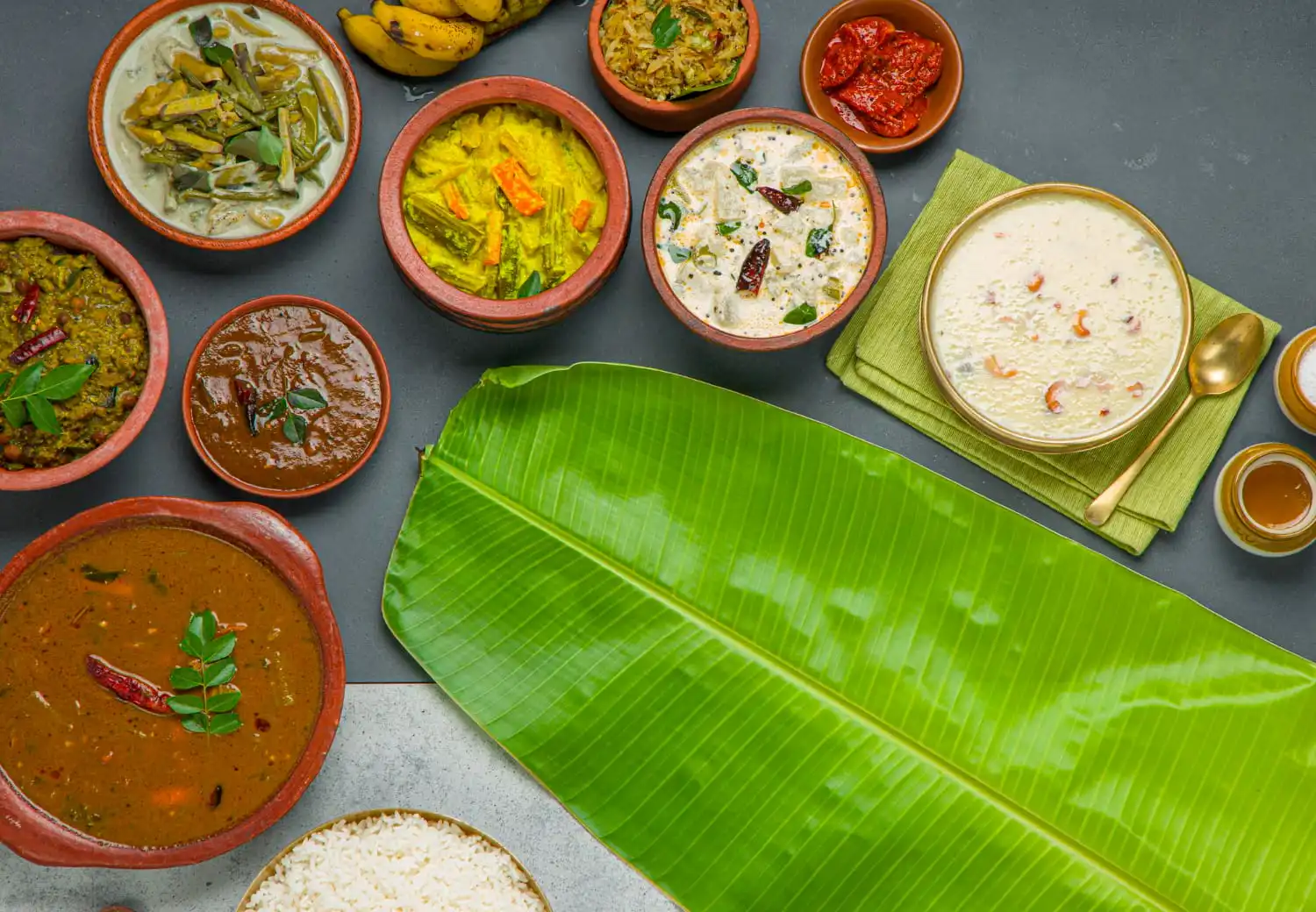
Food Systems, Nutrition and Culinary Anthropology
This theme treats food as a deeply interconnected system that links biology, governance, markets, ecology, labor, identity, and culture. Participants examine how nutrition policy, public institutions, supply chains, gender roles, migration, and culinary traditions shape what people eat—and who has access to safe, affordable, and culturally meaningful food.
Explore Theme
Yoga, Contemplative Pedagogy and Embodied Knowledge Systems
This theme approaches yoga and contemplative practice as rigorous knowledge systems rather than lifestyle trends. Rooted in the philosophical architecture of the Yoga Sūtras of Patañjali, yoga is examined as a theory of mind, perception, and disciplined transformation — centered on the regulation of attention (citta-vṛtti-nirodha), ethical formation, and embodied inquiry.
Explore ThemeEnvironment, Conservation & Outdoor Learning

Wildlife Conservation & Biodiversity
Wildlife conservation is not simply a matter of species protection — it is a question of governance, institutional design, justice, and resilience under ecological stress. This theme treats biodiversity landscapes as socio-ecological systems shaped by power, law, livelihoods, climate risk, and competing development priorities.
Explore Theme
Himalayan Studies & Outdoor Leadership
The Himalaya is not merely a landscape — it is a living system of water, migration, pilgrimage, subsistence agriculture, tourism economies, and climate volatility. This theme integrates outdoor leadership progression with mountain socio-ecological systems inquiry, positioning the Himalayan corridor as both expedition environment and governance classroom.
Explore Theme
Tibetan Trail of Tears
This theme examines modern Tibetan exile as a case study in stateless governance, cultural preservation, and non-violent political strategy. Through the lived landscape of the Tibetan community in India, participants explore how displacement transforms institutions, identity, and international advocacy.
Explore Theme
Social Sciences, Humanities & Civilizational Studies
Anthropology, Archaeology & History
Explore ancient civilizations, archaeological sites, and historical landmarks across India and Nepal.
Explore ThemeIndic Religion Studies
India and Nepal offer living religious landscapes where philosophy, ritual, sacred geography, performance, and public devotion are embedded in everyday life. This theme explores Indic traditions not only as texts or doctrines, but as lived systems, visible in temple institutions, pilgrimage networks, ritual cities, Jain ethics, and yoga lineages.
Explore ThemeCradle of Christianity
Kerala is home to one of the world’s oldest continuous Christian traditions, the Thomas Christians ,whose origins trace to early maritime exchange networks across the Indian Ocean. This program explores Christianity in India not as a colonial transplant, but as an ancient, deeply rooted lineage shaped by trade, liturgy, language, caste, colonial encounter, and community institutions.
Explore ThemeWalking the Path of Buddha
This trans-border program follows the sacred geography of Buddhism from Nepal to India, linking Lumbini with major historical and monastic centers across the Gangetic plains. Students engage in pilgrimage not only as devotion, but as infrastructure, shaped by economy, heritage stewardship, knowledge institutions, and modern tourism systems..
Explore ThemeWalking the Path of Lord Rama
This North-to-South civilizational journey follows the Ramayana as narrative geography, tracing how epic memory becomes lived pilgrimage infrastructure across India. From Ayodhya and Chitrakoot to Hampi and Rameshwaram, students examine how story, movement, devotion, performance, and sacred landscapes shape regional identity and cultural continuity.
Explore ThemeUnderstanding and Seeking Happiness
This interdisciplinary program explores well-being through psychology, philosophy, economics, public health, and lived community experience. Students examine how concepts such as freedom, money, non-attachment, purpose, and meaning operate not only as abstract ideas but as lived categories shaping individual and collective life.
Explore ThemePolitical Science, Governance & Development
This field-based program explores how power operates in practice, through institutions, policies, budgets, service delivery systems, and civil society networks. Students move beyond capital-city abstraction to examine governance across scales: national, state, district, and village.
Explore ThemeRise of the Global South
The Global South is not merely a geographic label. It is a contested political idea, a development category, and an evolving coalition of states negotiating representation, sovereignty, and power in a changing world order. This theme examines how histories of European dominance and colonial extraction shaped modern global institutions, and how postcolonial states now navigate autonomy, development, and strategic alignment.
Explore ThemeIndia’s Rise to Economic Stardom
This program examines mental health as a systems, cultural, and public health issue rather than an isolated clinical concern. Students explore access, stigma, service-delivery constraints, and the national policy architecture through ethically framed observational learning.
Explore ThemePsychology
This program examines mental health as a systems, cultural, and public health issue rather than an isolated clinical concern. Students explore access, stigma, service-delivery constraints, and the national policy architecture through ethically framed observational learning.
Explore ThemeHumanities
The Humanities in India are approached as interpretive laboratories grounded in place. Texts, architecture, cinema, ritual, performance, oral histories, and urban design are treated as evidence. Students learn to test interpretation through field engagement, structured documentation, and guided synthesis. Cities become layered archives. Neighborhoods function as narrative maps. Public spaces become stages for meaning, aspiration, governance, and memory.
Explore ThemeMeta Physics
This theme investigates foundational philosophical questions through classical Indian traditions. It explores self, consciousness, reality, causation, knowledge, liberation, and moral order as structured intellectual systems rather than abstract spirituality.
Explore Theme