
Comparative Education & Youth Development
Comparative Education & Youth Development
.jpg)
Education systems are among the most powerful institutional engines shaping social mobility, identity formation, economic opportunity, and democratic participation. Yet policy aspiration, classroom practice, youth experience, and long-term outcomes often diverge in complex ways.
This theme examines education not only as schooling, but as a multi-layered ecosystem involving ministries, state councils, teachers, families, EdTech platforms, NGOs, and labor-market institutions. Participants explore how equity, quality, accountability, and digital governance are operationalized in practice — and where structural gaps persist.
Through seminars, classroom observation labs, safeguarding workshops, stakeholder mapping exercises, youth narrative inquiry, and structured design studios, students produce faculty-assessable youth development proposals grounded in systems thinking and measurable indicators.
Participants will:
-
Conduct education ecosystem mapping across governance, classroom practice, civil society, and digital platforms.
-
Apply safeguarding and ethical interviewing protocols in youth-facing contexts.
-
Analyze policy-to-practice gaps using reform frameworks such as NEP 2020.
-
Evaluate digital learning governance, EdTech incentives, and public service design implications.
-
Assess youth opportunity structures including skill pathways, mentorship ecosystems, and livelihood transitions.
-
Design a youth development intervention with a theory of change, feasibility assumptions, and measurable indicators.
-
Produce a comparative education case brief across two contexts (state, institutional, or cross-national contrast).
Read More

.gif)
Education
.gif)
Human Development

Psychology

Sociology
.gif)
Anthropology

Public Policy

Economics

Youth Studies

Gender Studies

Data Analytics
.gif)
EdTech
.gif)
Information Systems

Social Work
INDIA
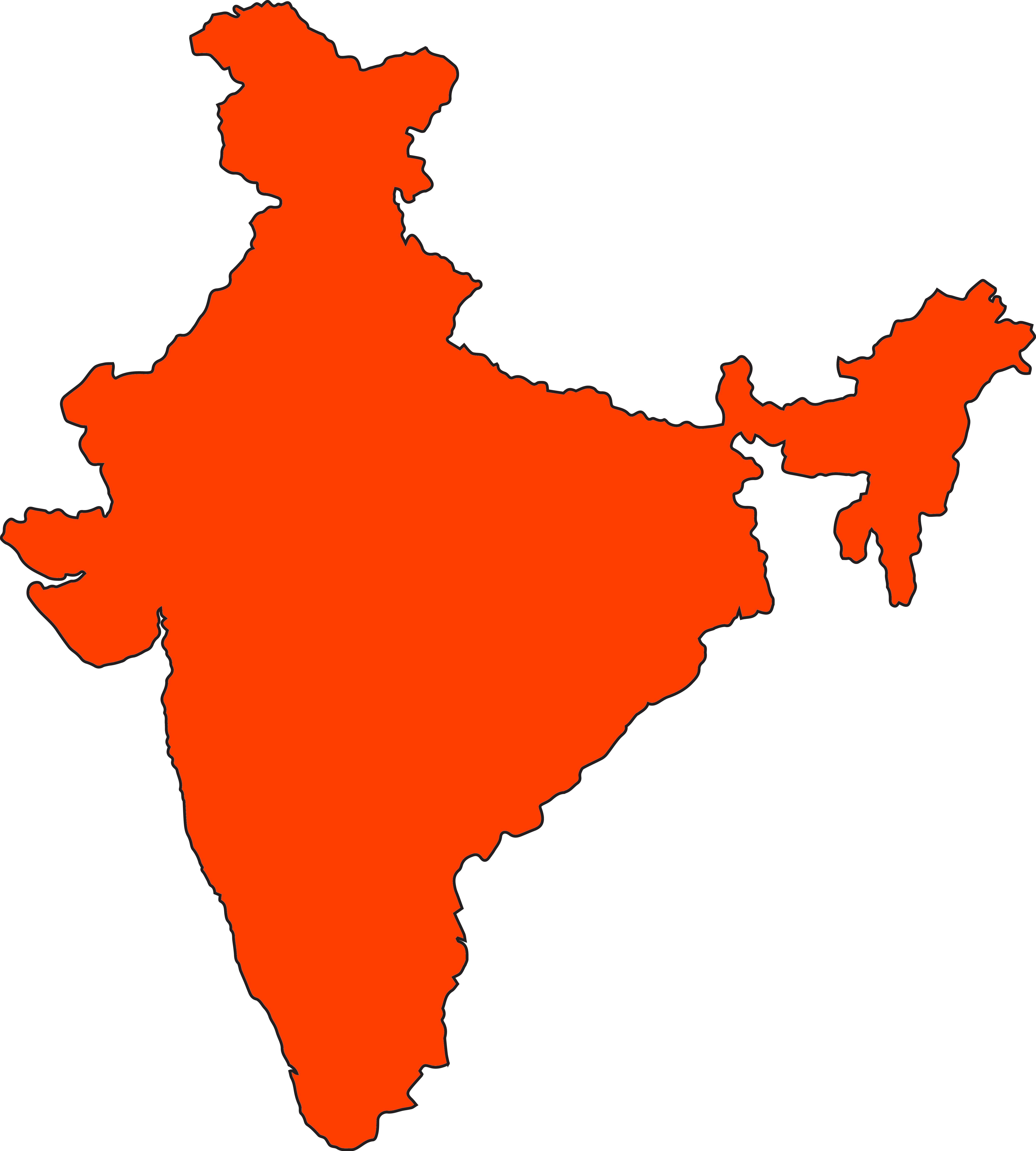
NEP to Classroom
.jpg)
Youth, Livelihoods & Learning Ecosystems

Output Possibilities: