
Architecture
Architecture
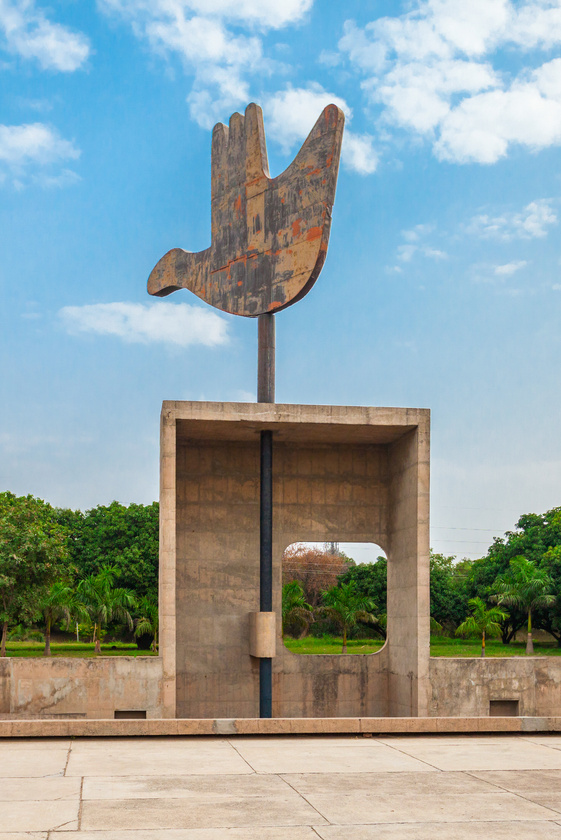
Architecture in the Indian subcontinent has historically mediated between cosmology and climate, sovereignty and settlement, ritual and regulation. From Vāstu Śāstra–guided temple complexes to colonial port infrastructures, from Le Corbusier’s Chandigarh to B.V. Doshi’s climate-sensitive modernism, the built environment becomes a record of belief systems, political authority, ecological intelligence, and economic exchange.
This theme treats architecture as both spatial artifact and institutional instrument. Students engage sacred geometry, mandala planning, axiality, iconographic programs, hydraulic engineering, courtyard typologies, postcolonial planning regimes, and contemporary conservation politics.
Through seminars grounded in urban theory, field sketching labs, measured documentation protocols, site immersions, dialogues with architects and conservation practitioners, and governance workshops, students learn to read architecture as:
- Climate-responsive engineering
- Ritual choreography
- Political theology
- Institutional ideology
- Cultural economy
The program culminates in evidence-based outputs such as a Design Audit, Interpretive Guide, or Urban Morphology Dossier integrating theory and field observation.
Students will:
-
Apply urban morphology theory (Conzen, Muratori) to analyze historic and planned cities.
-
Interpret sacred architecture through Vāstu Śāstra, Śilpa Śāstra, mandala cosmograms, and axial processional systems.
-
Examine architecture as political instrument using Lefebvre’s production of space, Foucault’s institutional analysis, and postcolonial planning frameworks.
-
Conduct field documentation using sketching, sectional analysis, typology mapping, and spatial sequencing protocols.
-
Evaluate conservation governance through UNESCO frameworks, adaptive reuse debates, and heritage policy regimes.
-
Compare colonial, modernist, and indigenous architectural responses to climate and authority.
-
Produce an academically rigorous design audit, interpretive guide, or morphology dossier grounded in primary observation.
Read More

Architecture

Urban Planning

Architectural History

Art History

Landscape Architecture

Heritage Conservation

Civil Engineering

Sustainability Studies

Urban Studies

Religious Studies

Anthropology of Space

Political Theory

Cultural Geography
INDIA
Temple Cities & Sacred Engineering
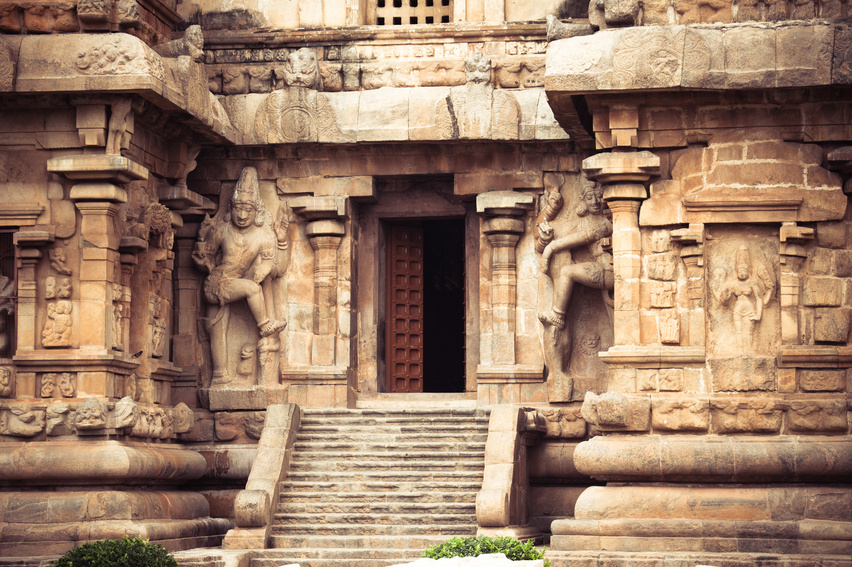
Output Possibilities:
Historic City & Community Urbanism
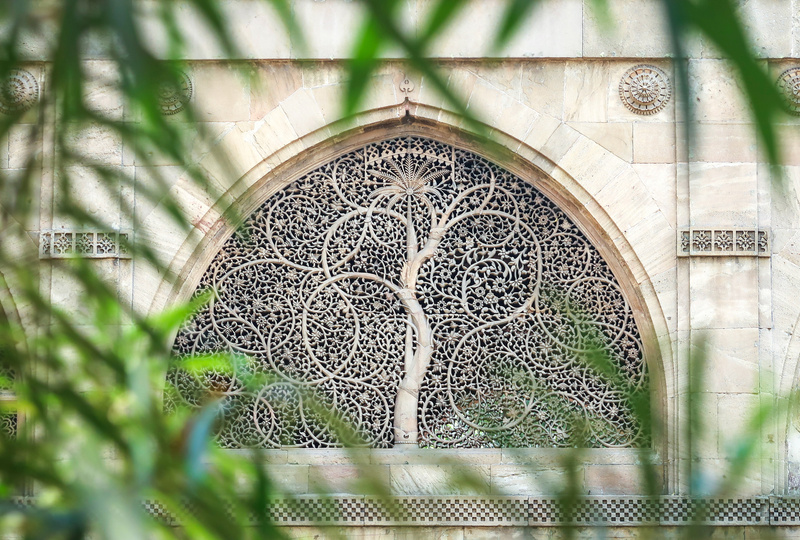
Output Possibilities:
Modernism & Institutional Space

Output Possibilities:
Mumbai Heritage & Urban Governance
Output Possibilities:
Odisha Temple Architecture & Cultural Economy
Output Possibilities: