
Food Studies
Food Studies
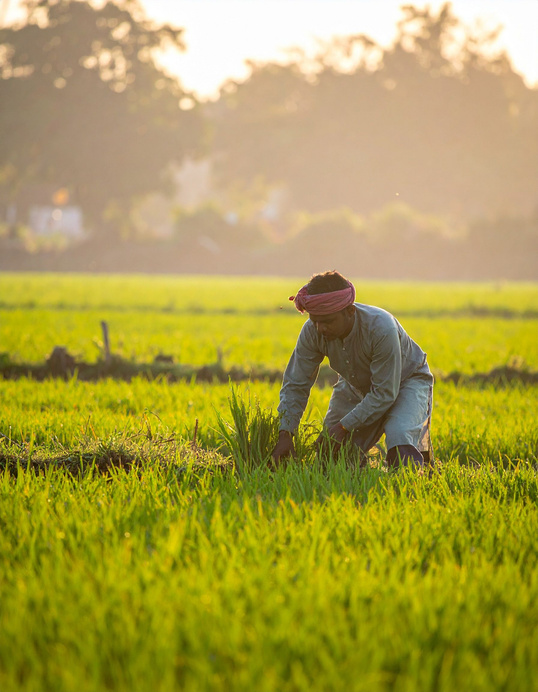
Food is one of the most powerful analytical lenses available to students of society. It links soil to city, climate to culture, labor to logistics, ritual to regulation. Through food, we can trace migration patterns, ecological constraints, gendered labor, global trade routes, public health systems, and climate vulnerability.
This theme treats food not as cuisine but as a living system. Students study agricultural production, wholesale logistics, marine fisheries, water-scarce grain systems, delta vulnerability, nutrition claims, and urban market cultures. Seminars introduce systems mapping, ethnographic method, and evidence-based nutrition analysis. Field visits, guided interviews, market immersion, sustainability labs, and guest dialogues with researchers, producers, and policy practitioners bring theory into lived context.
Students leave with both analytical depth and grounded humility — able to map food systems end-to-end and translate observation into applied proposals or ethnographic portfolios.
Students will:
-
Map food systems from production and processing to distribution, retail, and waste.
-
Apply cultural and ethnographic analysis to understand identity, migration, and labor embedded in food practices.
-
Evaluate sustainability and climate pressures shaping regional food systems.
-
Interpret nutrition and well-being claims using evidence-first frameworks.
-
Produce either a Food Systems Improvement Proposal or a Field-Based Ethnographic Portfolio grounded in observation.
Read More

Food Studies

Anthropology

Environmental Studies

Public Health

Geography
.gif)
Sociology

Sustainability

Development Studies

Economics

Urban Studies
.gif)
Political Economy
INDIA
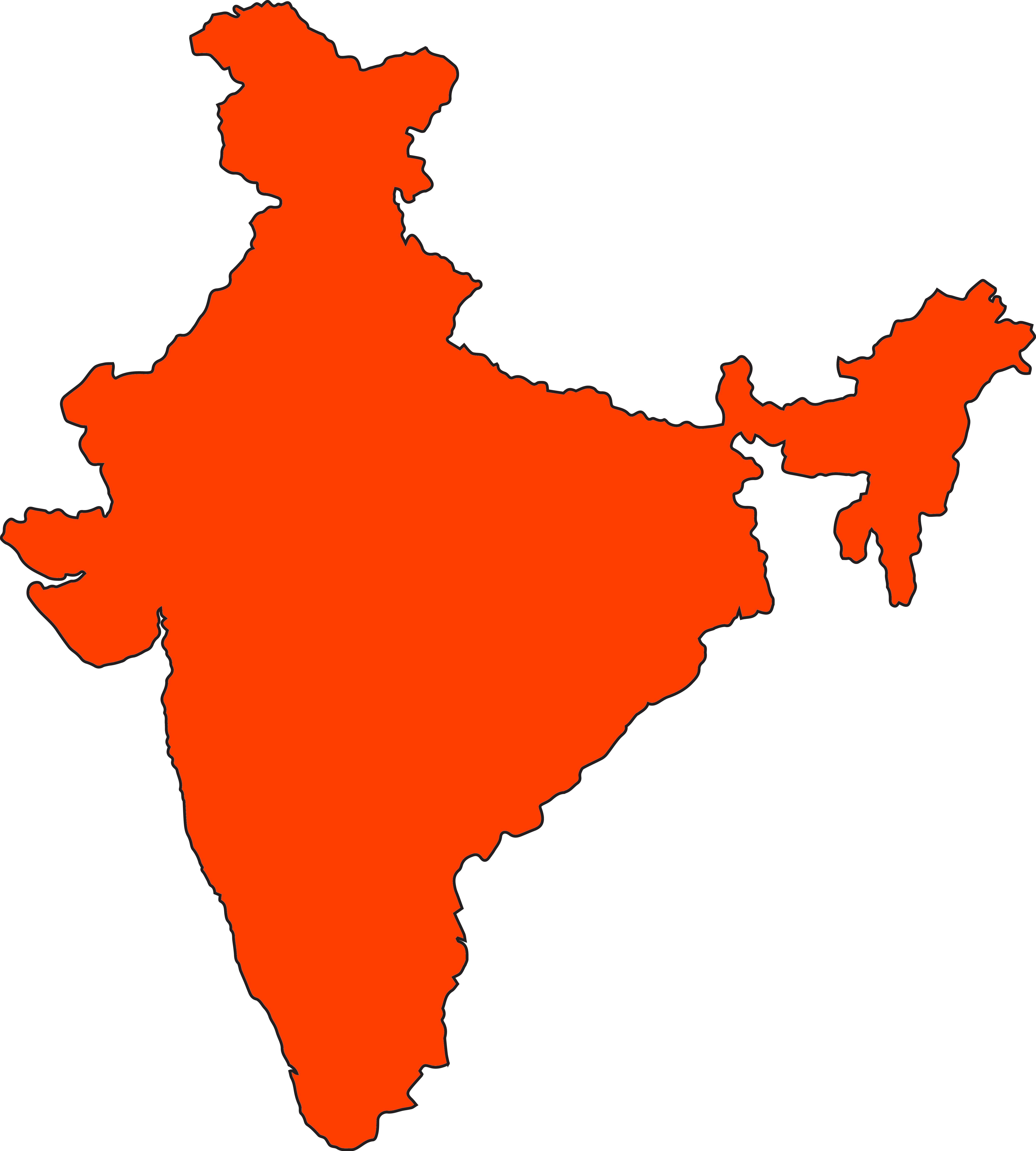
Farm-to-Market Systems (Delhi Hub)
.jpg)
Output Possibilities:
- Urban food systems bottleneck map
- Market logistics improvement proposal
- Waste-stream reduction strategy
- Ethnographic portfolio of market labor & identity
Coastal Food & Fisheries (Kochi Hub)

Output Possibilities:
- Fisheries value-chain systems map
- Cold-chain vulnerability assessment
- Coastal livelihood sustainability proposal
- Culinary ethnography portfolio
Desert Food, Water & Livelihoods (Jaipur Hub)
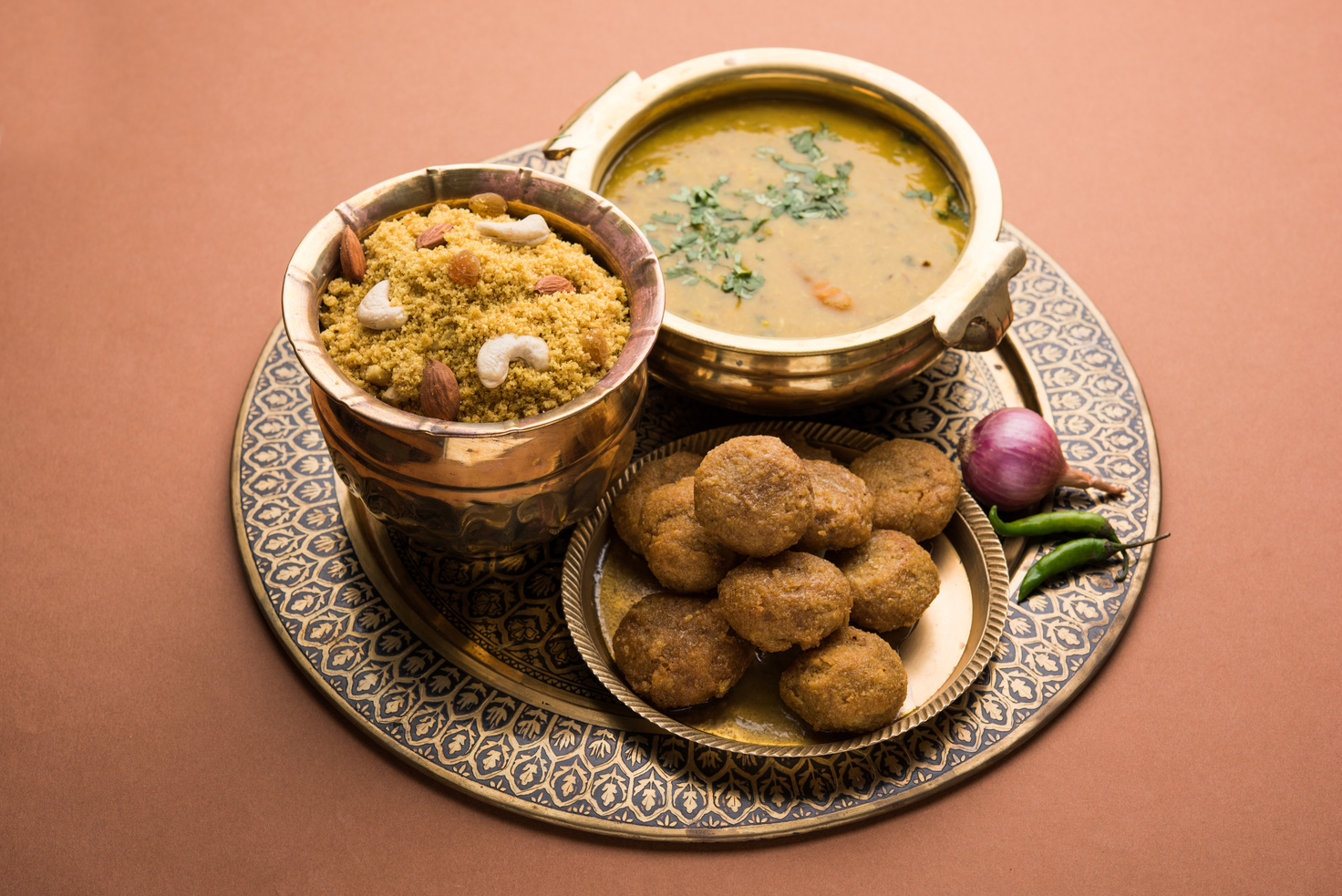
Output Possibilities:
- Water–food systems resilience map
- Household food security case study
- Adaptation strategy proposal
- Ethnographic grain and livelihood portfolio
Delta Food Systems & Climate Vulnerability (Kolkata Hub)

Output Possibilities:
- Climate–food vulnerability mapping brief
- Urban food culture ethnography
- Delta resilience policy proposal
- Food security governance memo