Rise of the Global South
Rise of the Global South

The Global South is not merely a geographic label. It is a contested political idea, a development category, and an evolving coalition of states negotiating representation, sovereignty, and power in a changing world order.
This theme examines how histories of European dominance and colonial extraction shaped modern global institutions, and how postcolonial states now navigate autonomy, development, and strategic alignment.
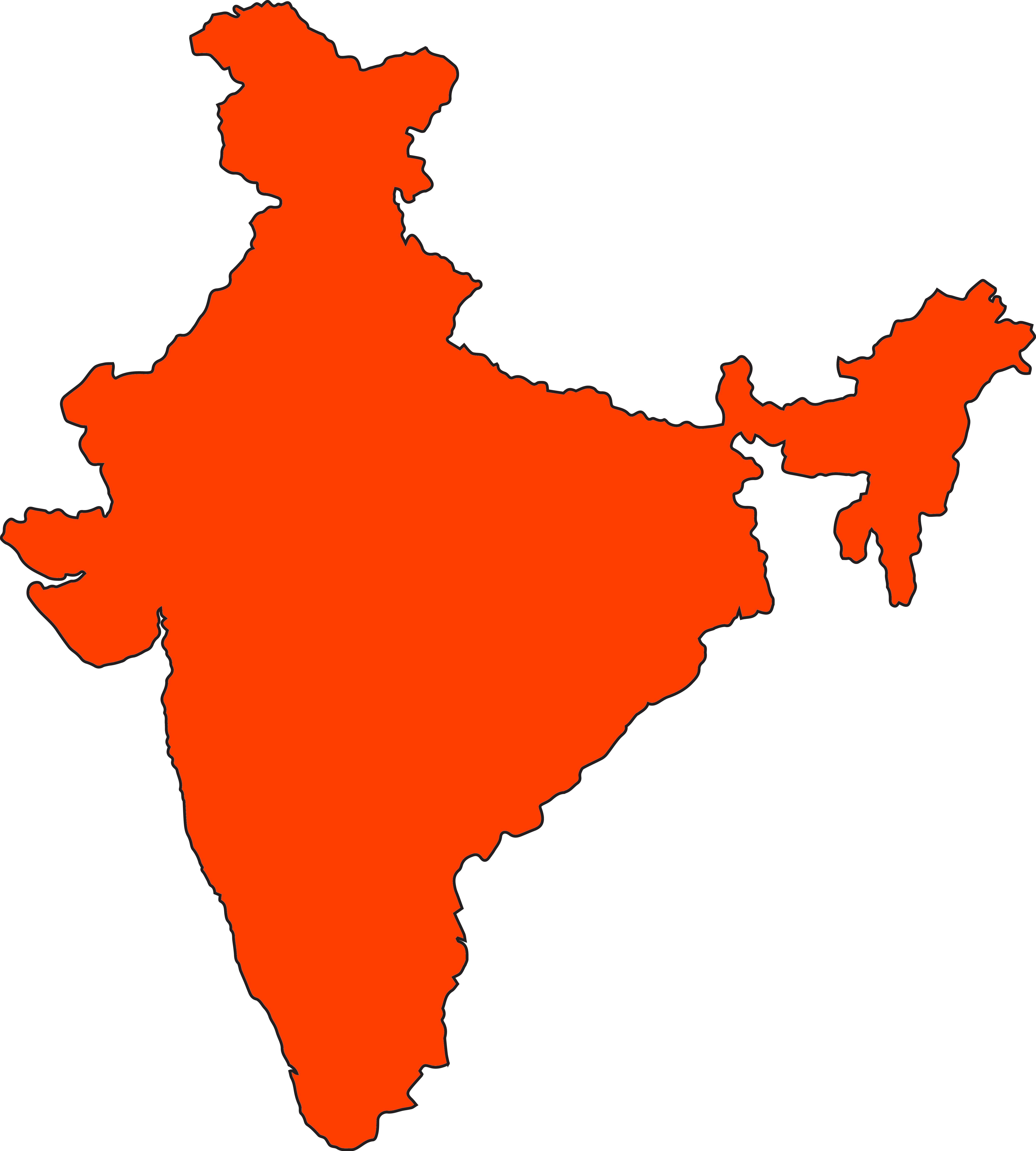
India provides a distinctive lens through its diplomacy, development partnerships, trade strategy, and role in multipolar debates. Students explore whether the Global South represents solidarity, strategy, rhetoric, or structural transformation.
The program invites disciplined inquiry into power, institutions, economic ambition, and geopolitical imagination.
Students will:
-
Explain South–South cooperation and evaluate its role in reshaping development finance, diplomacy, and institutional representation.
-
Analyze decolonization as a structural transformation rather than a symbolic political event, tracing its policy legacies into contemporary governance.
-
Interrogate foundational power doctrines, including the Monroe Doctrine, as frameworks for understanding hemispheric influence and strategic containment.
-
Map contemporary alignments and tensions including India–China–Russia dynamics through policy analysis rather than media narratives.
-
Ask compelling geopolitical questions such as:
- Is the Global South a unified bloc or a collection of competing national interests?
- Can development partnerships replace traditional donor–recipient hierarchies?
- How does strategic autonomy differ from non-alignment?
-
Examine economic corridors, trade flows, maritime routes, and development narratives as instruments of influence.
-
Produce a faculty-assessable Global South strategy memo grounded in comparative institutional analysis.
-
Cultivate critical skepticism toward simplistic solidarity narratives by examining heterogeneity, power asymmetries, and sectoral interests.
Read More

International Relations
.gif)
Political Science
.gif)
History

Development Studies
.gif)
Economics

Public Policy
.gif)
Sociology

Anthropology

Security Studies

Human Geography

Business

Law

Global Governance
Area Studies

Comparative Politics
INDIA
Global South Strategy Lab: Power, Development, and Multipolar Order