Criminal Justice Systems, Human Rights & International Law
Criminal Justice Systems, Human Rights & International Law

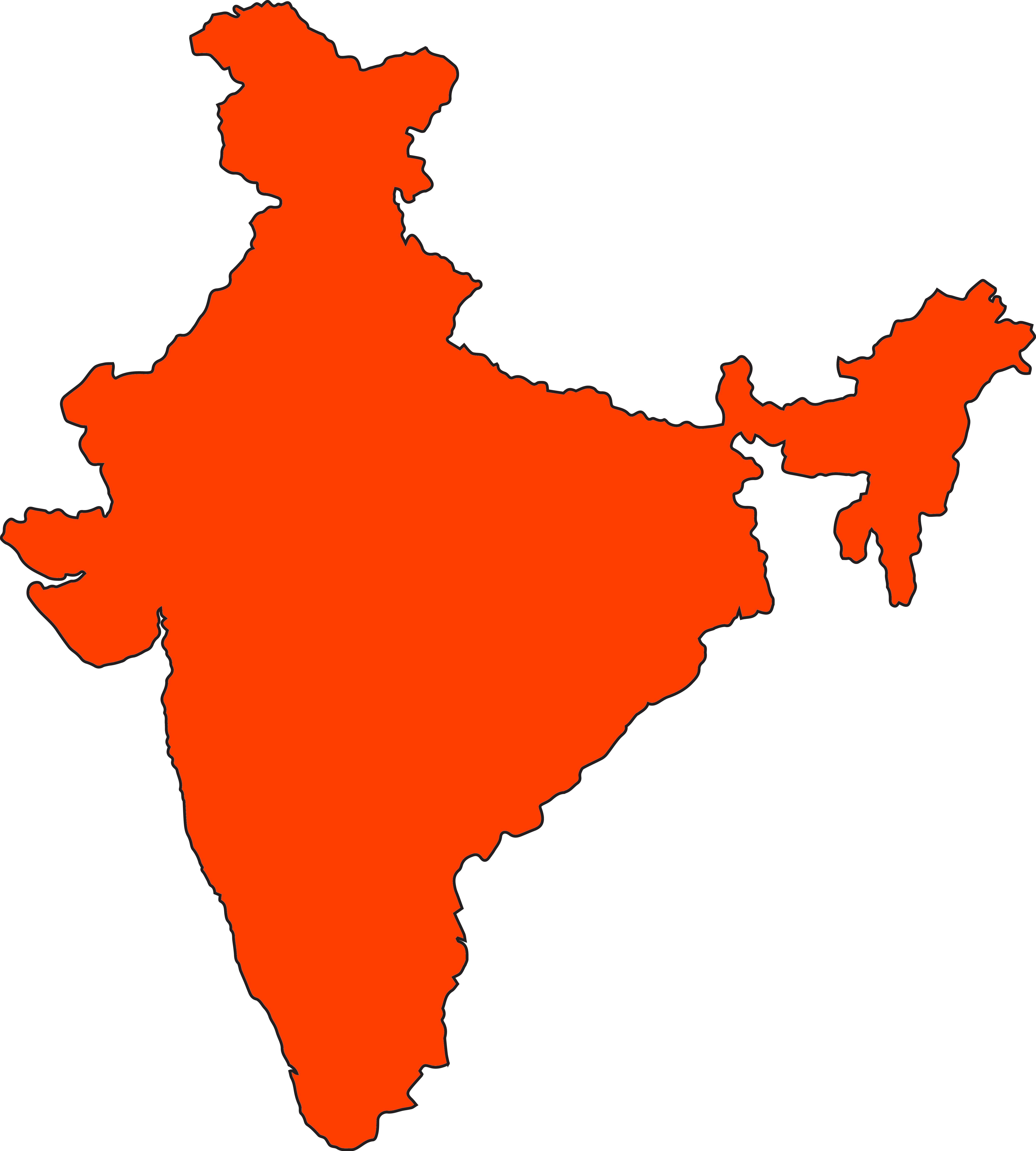
Criminal justice systems are institutional expressions of social order, state authority, and normative visions of justice. They shape who is protected, who is punished, and how legitimacy is constructed. This program approaches criminal justice as comparative institutional analysis — situating India within broader US and UK justice frameworks — and embedding sociological, political, and human rights theory.
Students engage criminal justice through three analytical lenses:
- Institutional Architecture & Procedural Design (policing, courts, corrections)
- Power, Discipline & Legitimacy (Durkheim, Foucault, procedural justice theory)
- Human Rights & International Criminal Accountability
The program integrates seminars, court observation (where feasible), legal aid engagement, structured stakeholder dialogues, restorative justice debates, and a dedicated International Criminal Law extension module examining universal jurisdiction, international tribunals, and accountability frameworks.
This is an academic program in institutional analysis and justice reform — not practitioner training.
Students will:
-
Map the institutional architecture of criminal justice systems across India, the US, and the UK.
-
Apply Durkheim’s theory of punishment and social solidarity to comparative justice models.
-
Analyze Foucault’s framework of discipline and surveillance in modern penal systems.
-
Evaluate procedural justice theory and legitimacy in policing.
-
Examine equity bottlenecks: bail, pre-trial detention, backlog, socioeconomic disparity.
-
Connect mental health systems to diversion and incarceration pathways.
-
Assess restorative justice theory in relation to punitive systems.
-
Analyze international human rights standards governing detention and due process.
-
Interpret International Criminal Court (ICC) and universal jurisdiction frameworks.
-
Produce a faculty-gradeable justice reform or human-rights policy brief.
Read More


Law
.gif)
Criminology

Sociology

Political Science

Public Policy

Human Rights

International Relations

Psychology

Social Work

Legal Studies
.gif)
Philosophy
Public Administration
INDIA
Comparative Justice & Human Rights