
Climate Change & Environmental Justice
Climate Change & Environmental Justice

Climate change is not experienced uniformly. Rising seas, glacial retreat, biodiversity collapse, extreme heat, and water scarcity disproportionately affect communities already structured by inequality. Exposure and vulnerability are shaped by land tenure, gender, caste, class, migration status, and institutional capacity.
This theme treats climate change as a justice question — drawing on environmental justice scholarship, political ecology, and the One Health/ecosystems framework. Across deltas, mountain regions, biodiversity hotspots, and arid landscapes, students examine how ecological change intersects with livelihoods, governance systems, public health, and adaptive capacity.
Through seminars grounded in justice theory, participatory mapping workshops, stakeholder analysis labs, site immersion, community dialogues, guest lectures from researchers and practitioners, and structured synthesis studios, students produce a Climate Justice Adaptation Proposal grounded in field evidence and institutional feasibility.
Students will:
-
Apply environmental justice frameworks (distribution, recognition, participation) to analyze climate vulnerability.
-
Conduct participatory mapping and stakeholder analysis using ethical field protocols.
-
Connect ecological change to livelihood systems and institutional response mechanisms.
-
Evaluate adaptation policies at local and national scales.
-
Analyze gendered, economic, and infrastructural dimensions of climate risk.
-
Produce an evidence-based climate justice adaptation proposal.
Read More

Environmental Studies

Public Policy

Geography

Development Studies

Political Ecology

Public Health
.gif)
Sociology

Economics

Sustainability Studies

Anthropology
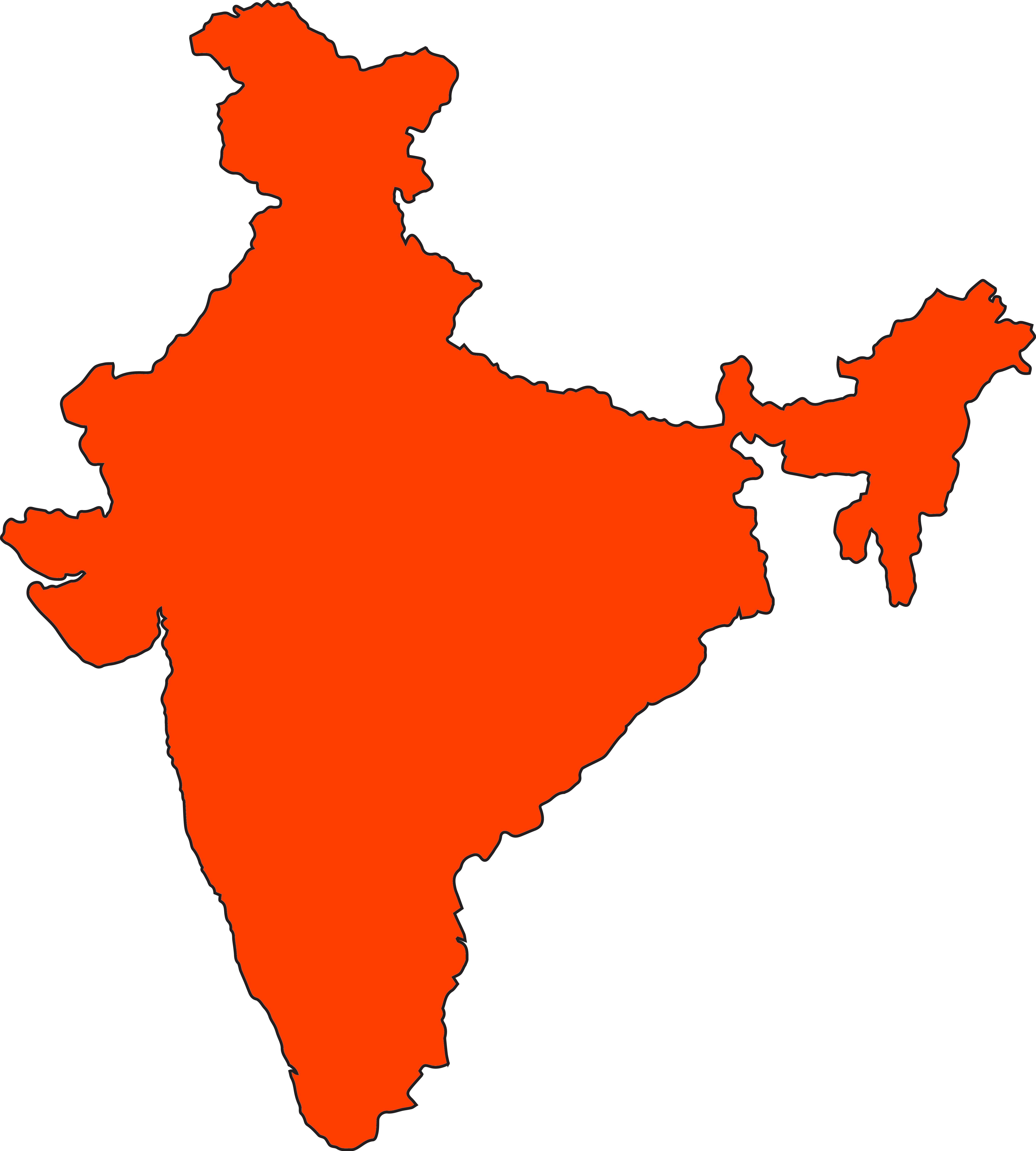
INDIA
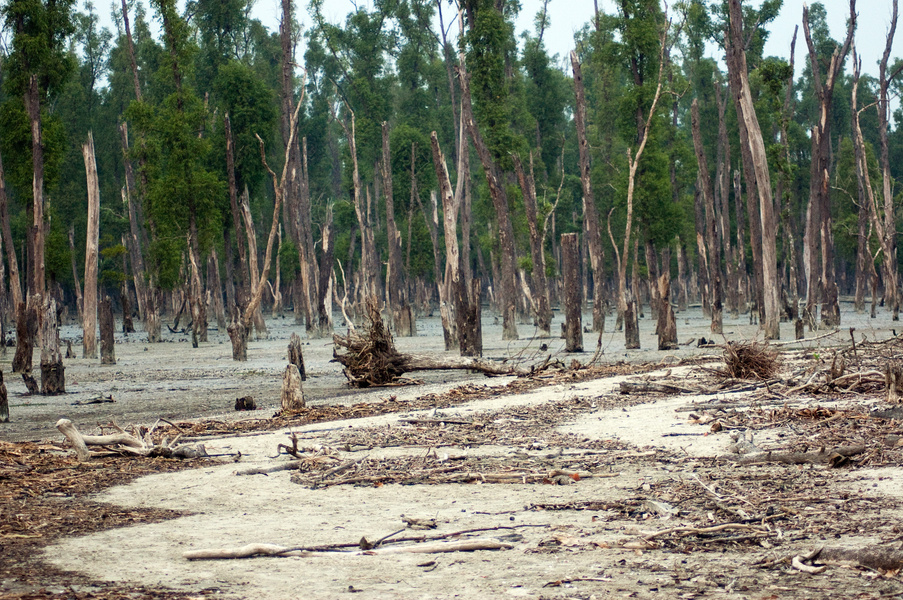
Sundarbans: Delta Risk, Livelihoods & Governance
Output Possibilities:
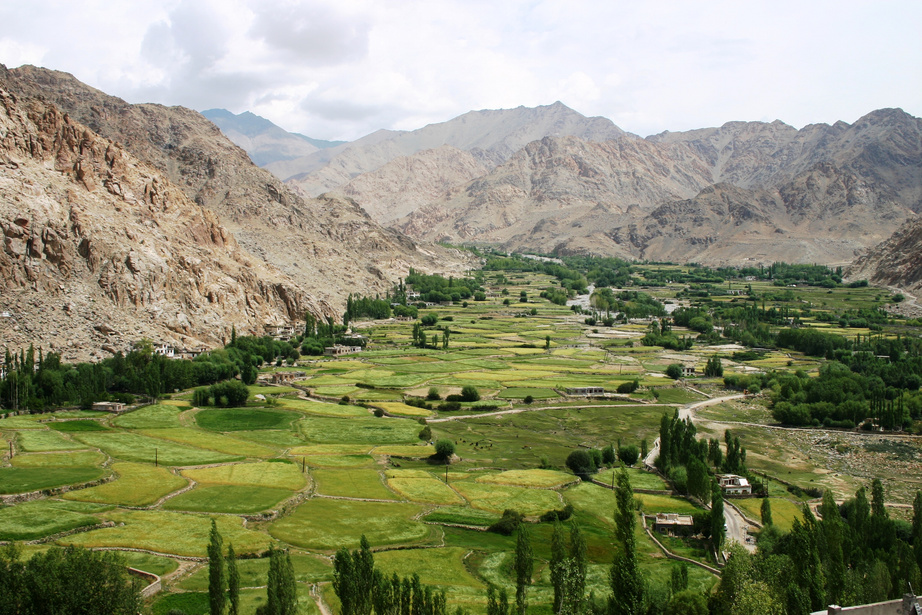
Himalayan Climate Risk & Adaptation
Output Possibilities:
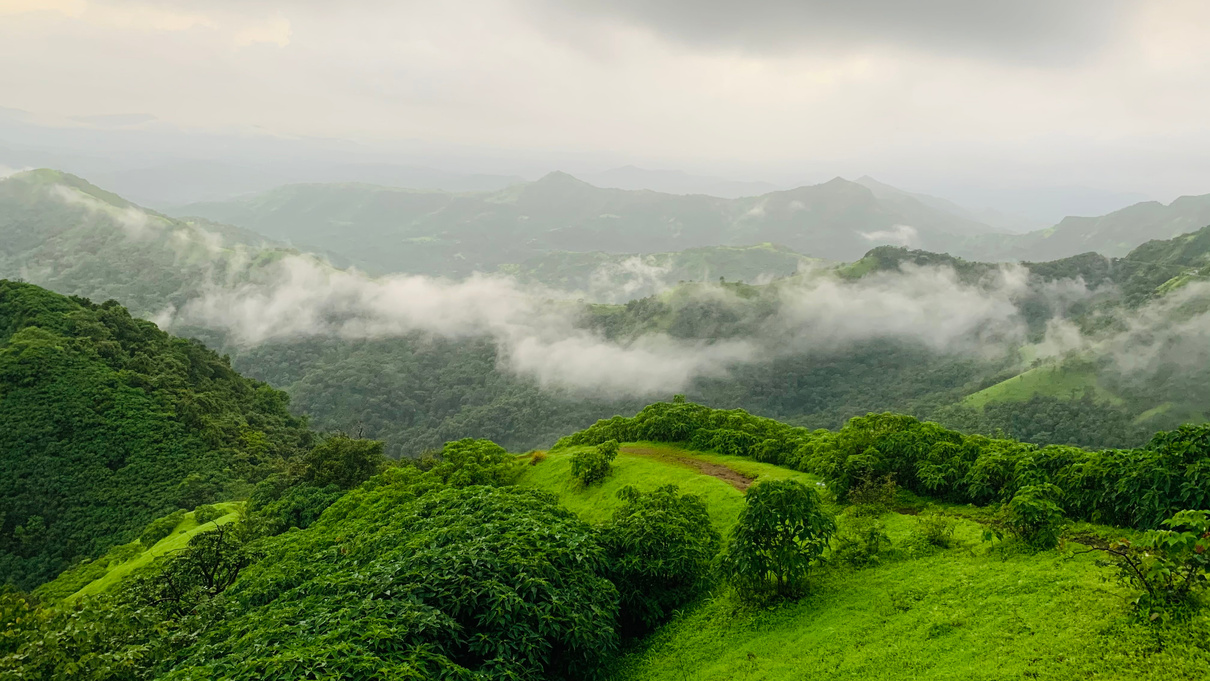
Western Ghats: Biodiversity & Justice Trade-offs
Output Possibilities:
Heat, Water & Equity
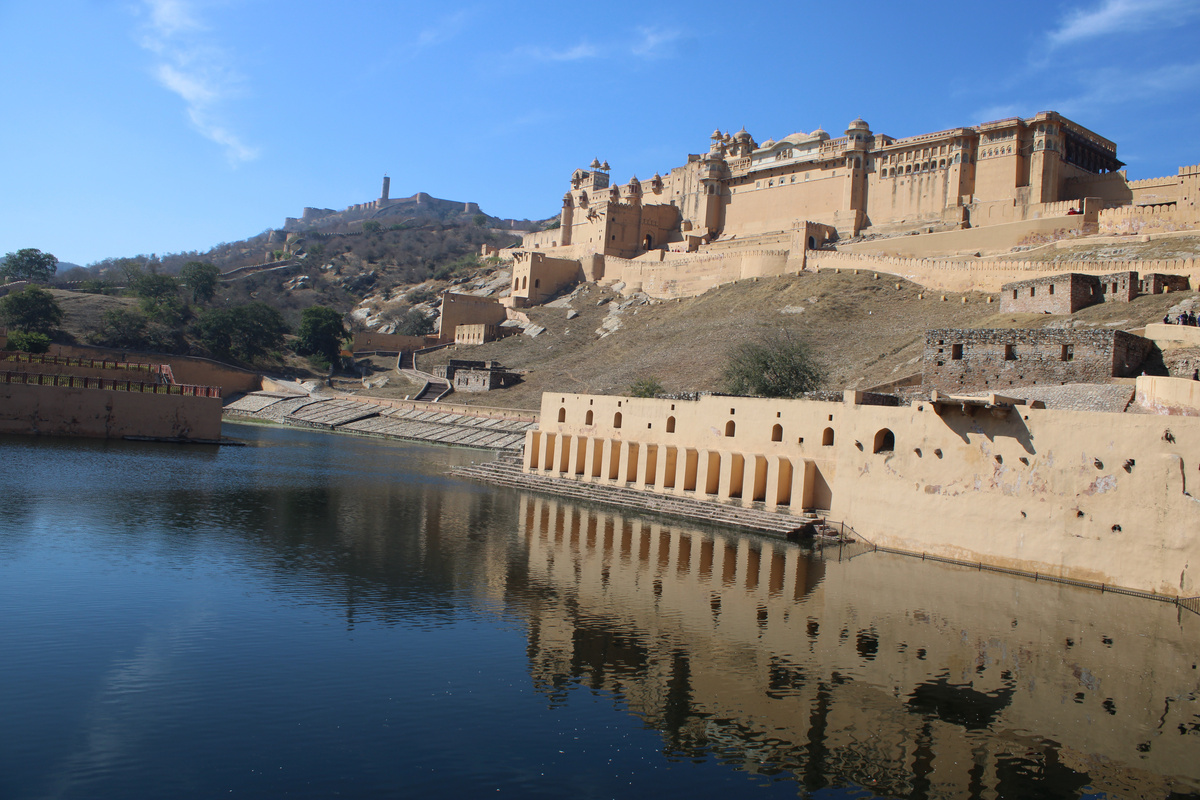
Output Possibilities:
Mountain Justice & HKH Livelihoods (Nepal)
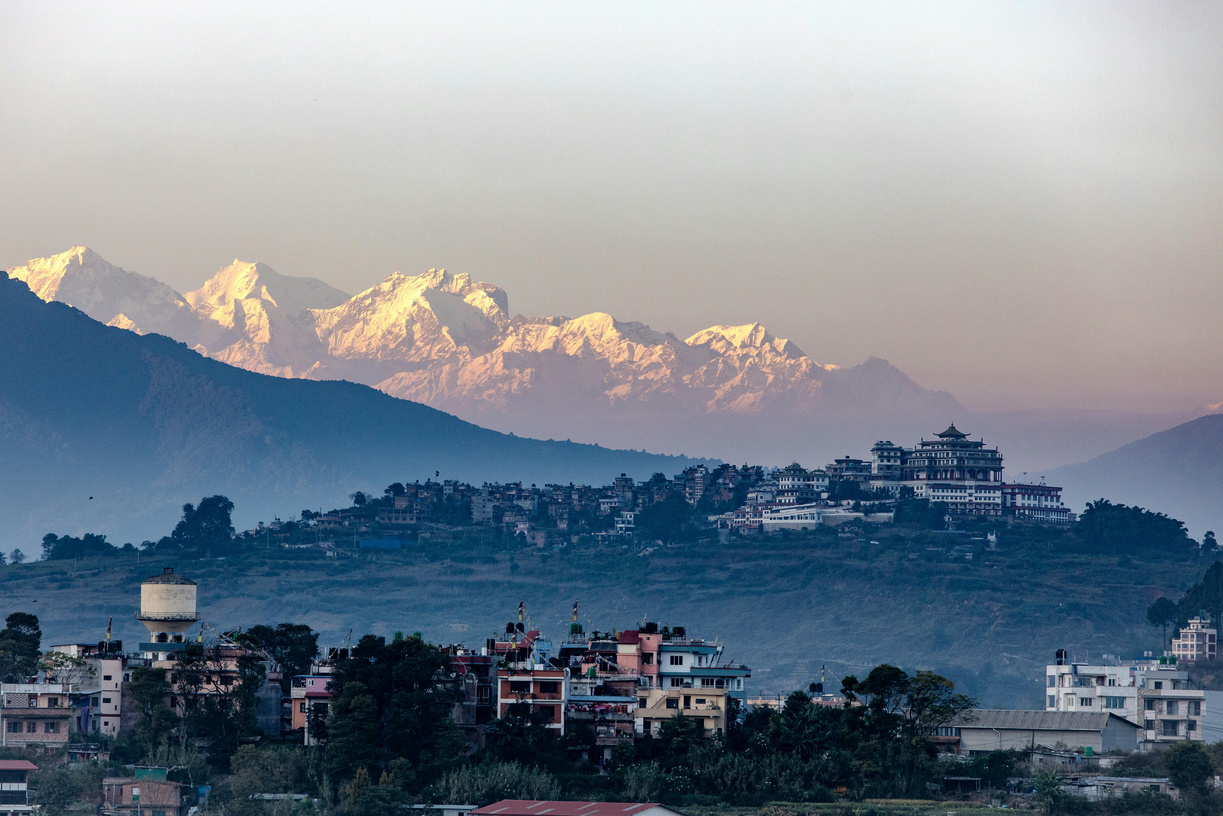
Output Possibilities: