
Rural Development and Sustainable Livelihoods
Rural Development and Sustainable Livelihoods
.png)
Rural economies are complex systems shaped by ecology, institutions, migration, markets, and governance. Far from static or peripheral, rural regions are sites of adaptation, innovation, and institutional experimentation. Households combine assets—land, labor, skills, social capital, ecological resources—within evolving policy and market contexts.
This theme explores how sustainable livelihoods are built and constrained. Students examine water governance in arid landscapes, mountain eco-tourism trade-offs, forest-based economies and tribal institutions, and decentralized community forestry governance. Through seminars, participatory research workshops, stakeholder dialogues, market mapping, and structured community engagement, participants move from theory to institutional practice.
Grounded in the Sustainable Livelihoods Framework, commons governance theory, decentralization studies, and political ecology, the program culminates in a measurable livelihoods proposal integrating economic viability, institutional feasibility, and ecological sustainability.
Students will:
-
Apply the Sustainable Livelihoods Framework to analyze rural asset systems.
-
Conduct participatory field research including stakeholder mapping, transect walks, and value chain analysis.
-
Evaluate how institutions shape inclusion, market access, and resource distribution.
-
Analyze climate risk and environmental change in relation to livelihoods.
-
Examine migration, remittance economies, and labor mobility systems.
-
Assess decentralization and commons governance models.
-
Produce a faculty-gradeable sustainable livelihoods proposal with measurable indicators and implementation pathways.
Read More

Development Studies
.gif)
Economics

Sustainability
.gif)
Sociology

Geography

Environmental Studies

Agriculture & Food Systems

Public Policy

Political Economy

Anthropology

Climate & Resilience Studies
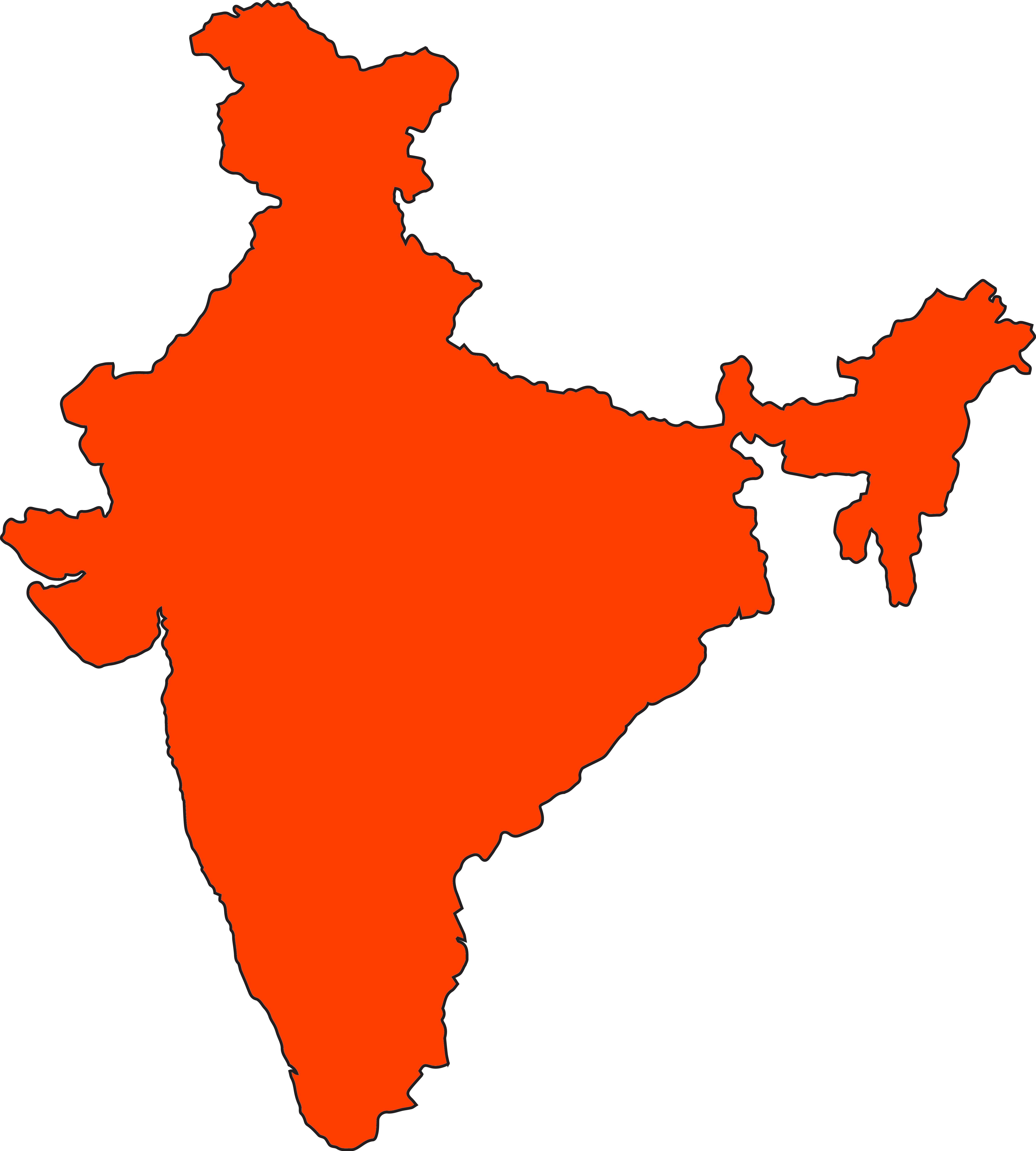
INDIA
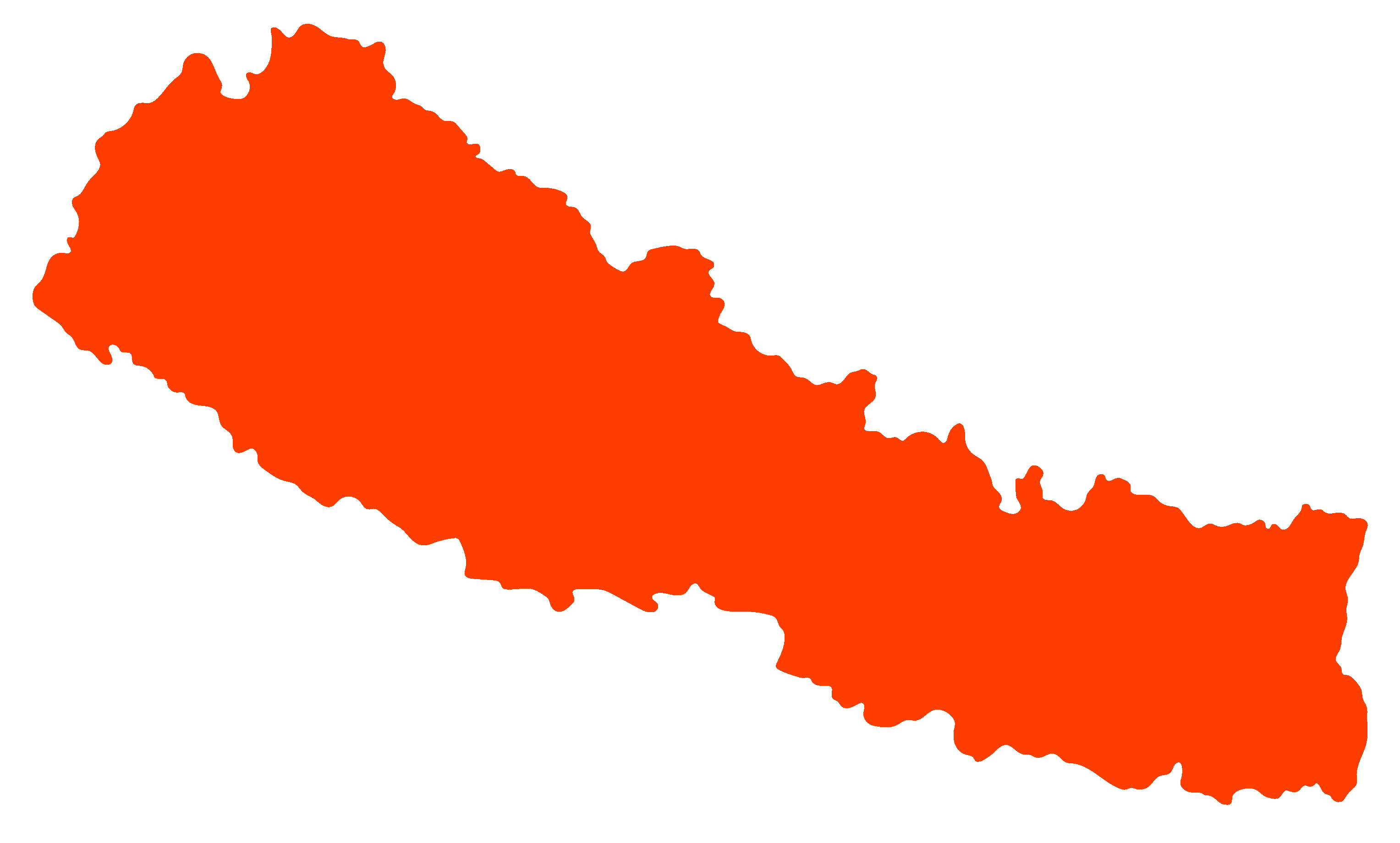
NEPAL
Water, Commons & Migration in Arid Rajasthan

Mountain Livelihoods & Eco-Tourism Trade-offs
.png)
Output Possibilities:
Forest Livelihoods, Tribal Institutions & Market Access
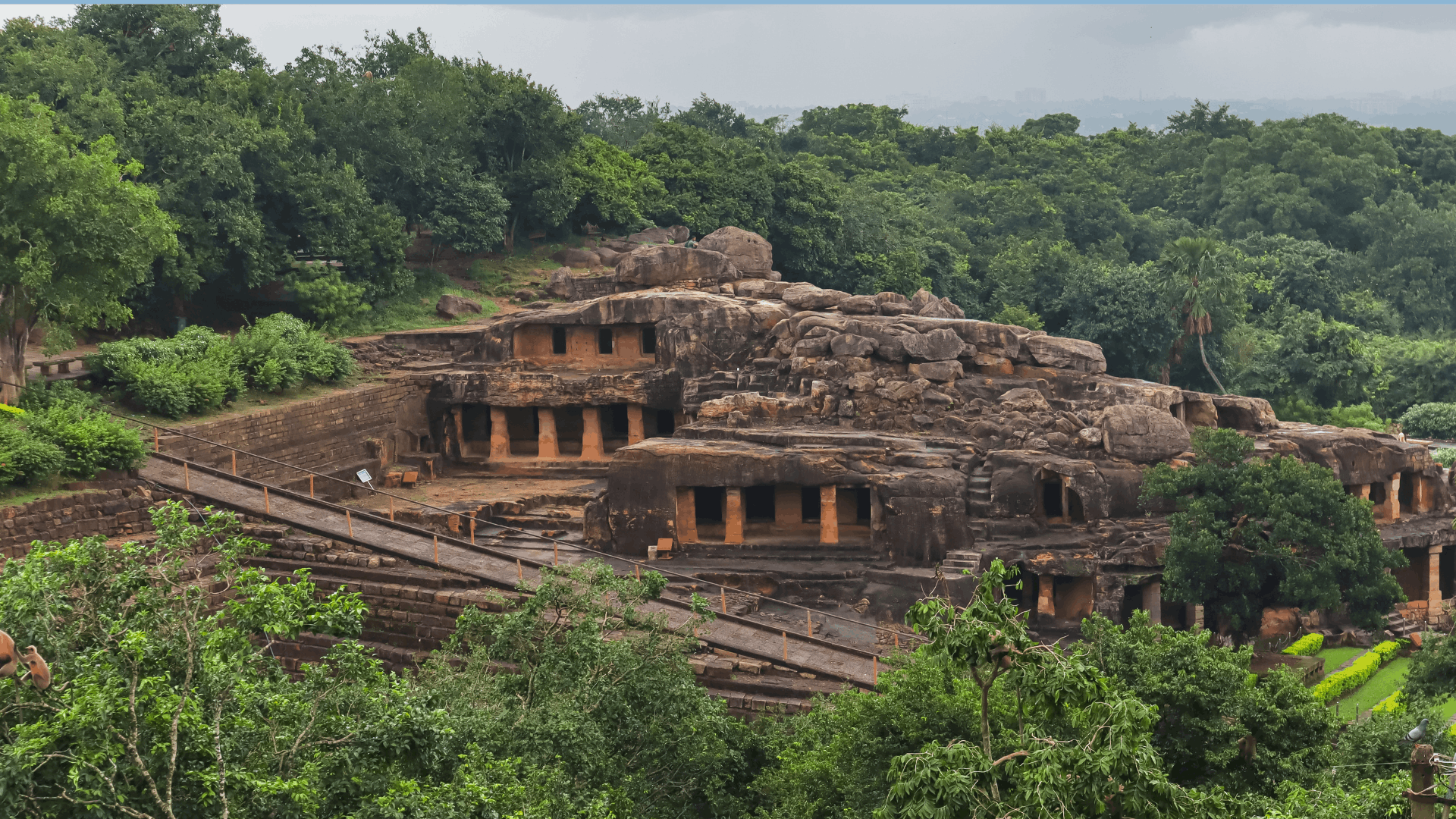
Output Possibilities:
Community Forestry & Decentralized Development
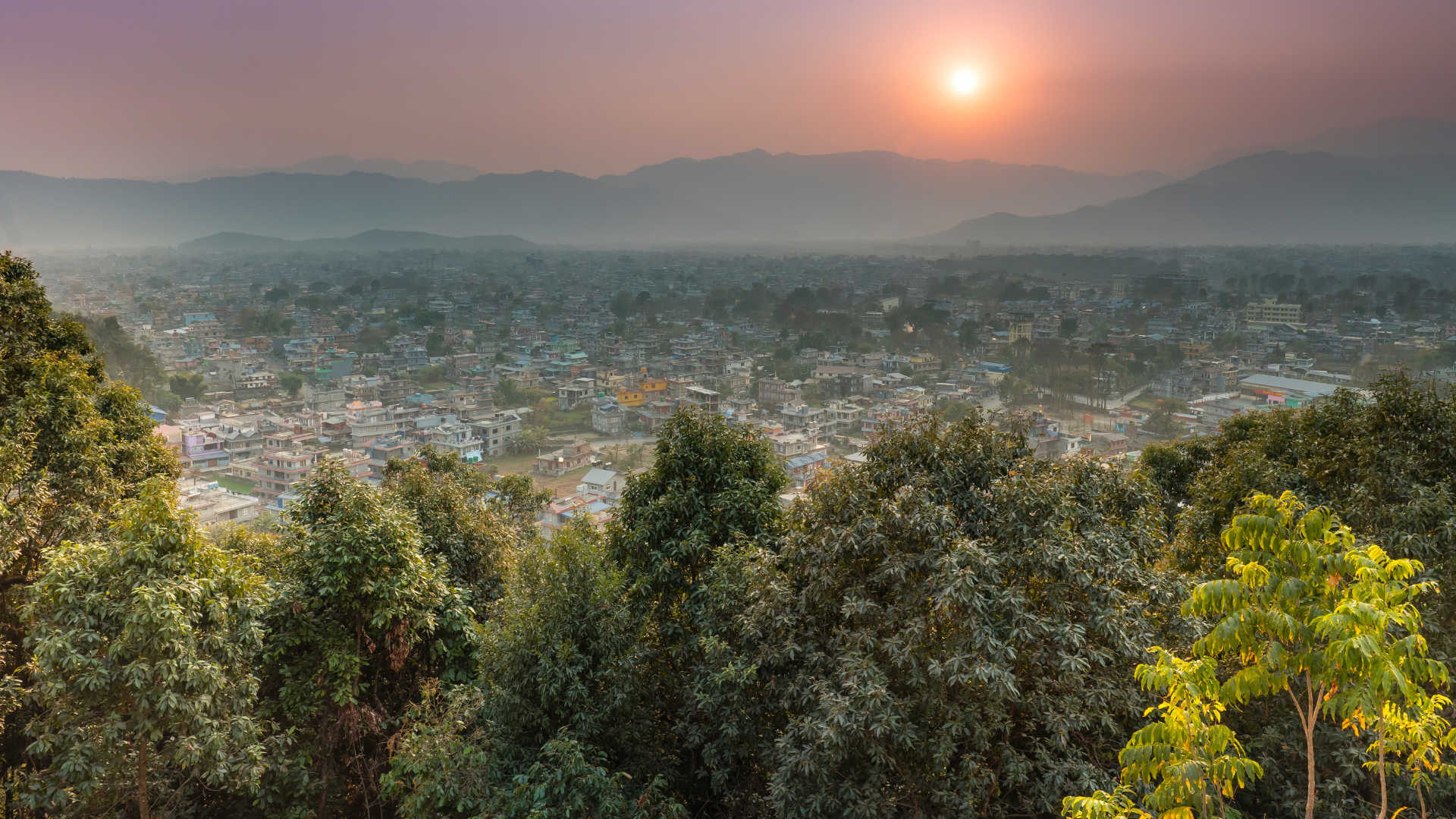
Output Possibilities: