
Humanities
Humanities
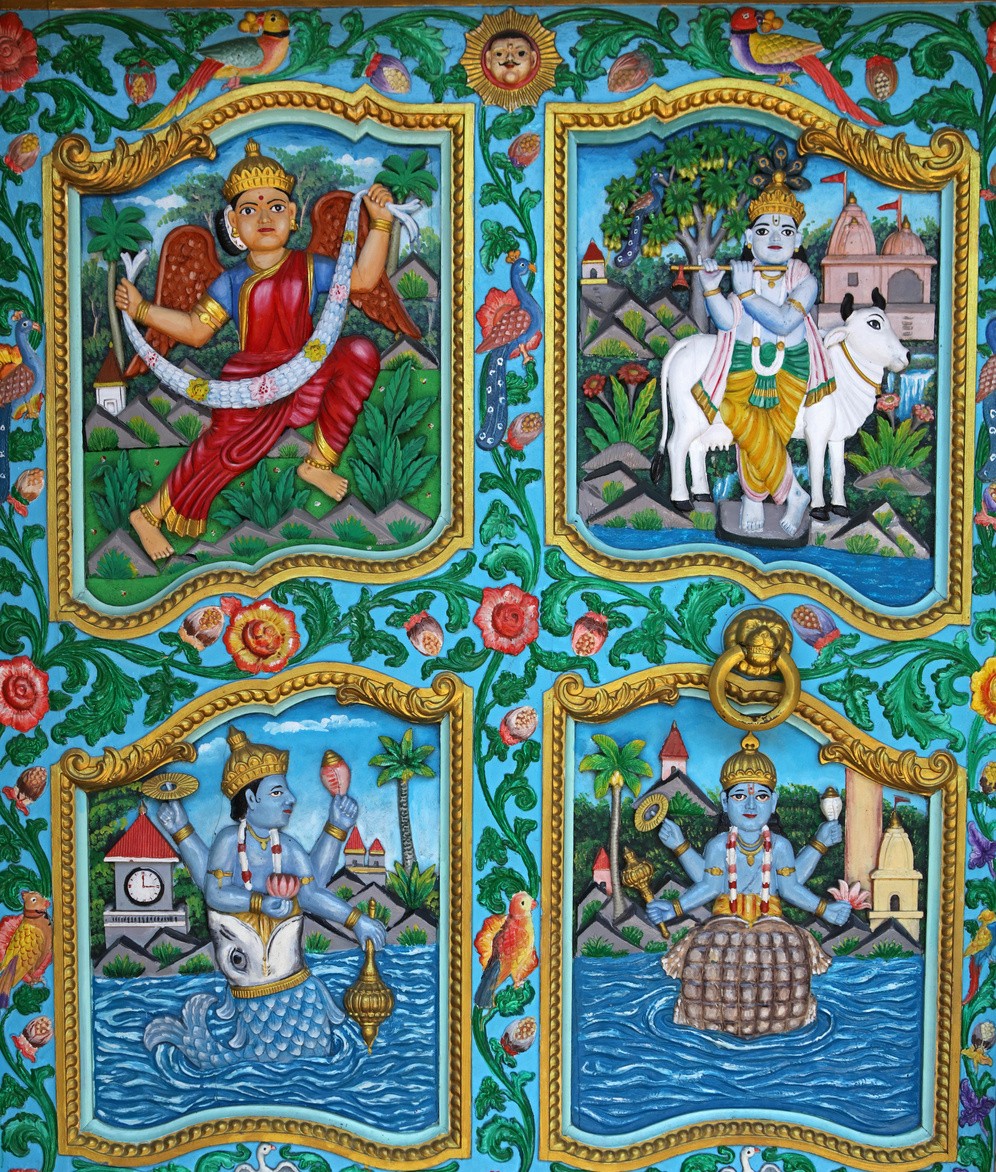
The Humanities in India are approached as interpretive laboratories grounded in place. Texts, architecture, cinema, ritual, performance, oral histories, and urban design are treated as evidence. Students learn to test interpretation through field engagement, structured documentation, and guided synthesis.
Cities become layered archives. Neighborhoods function as narrative maps. Public spaces become stages for meaning, aspiration, governance, and memory.
The program moves beyond passive cultural exposure into disciplined inquiry. Close reading, visual analysis, narrative ethics, and contextual framing are practiced within living environments.
The approach is immersive, comparative, and reflective, cultivating intellectual humility and interpretive rigor.
Students will:
-
Practice core humanities methods including close reading, visual analysis, spatial interpretation, narrative inquiry, and contextual framing within living environments.
-
Treat cities, performances, institutions, and built forms as evidence, asking how meaning is constructed, circulated, and contested in public life.
-
Explore layered interpretive questions such as:
- Who controls narrative authority in a city?
- How do architecture and ritual encode memory?
- When does culture become policy, and when does it resist it?
-
Examine ethical representation through consent, voice, positionality, and bias awareness, particularly in sacred, artistic, and community contexts.
-
Analyze how cultural production intersects with power, economy, identity, and aspiration across urban and sacred landscapes.
-
Develop multi-modal documentation portfolios including annotated maps, visual essays, oral histories, field notebooks, and curated micro archives.
-
Produce assessable humanities outputs that move beyond description toward disciplined interpretation and comparative insight.
-
Cultivate intellectual humility by recognizing ambiguity, contested histories, and limits of interpretation.
Read More

Humanities

Literature

Philosophy
.gif)
Cultural Studies

Art History
.gif)
Media Studies
.gif)
History

Anthropology

Education

Communications

Urban Studies
%20(1).gif)
Performance Studies

Architecture

Memory Studies

Visual Studies
INDIA
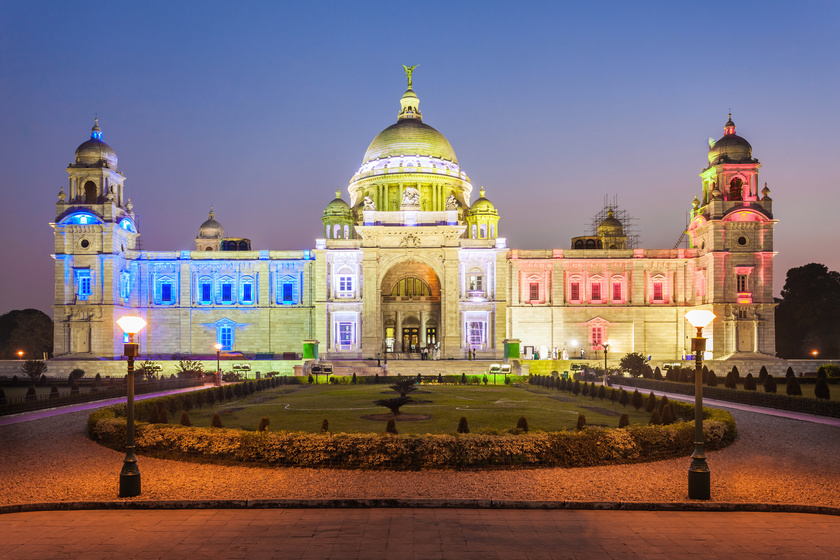
Kolkata Intellectual and Cultural History
Output Possibilities:
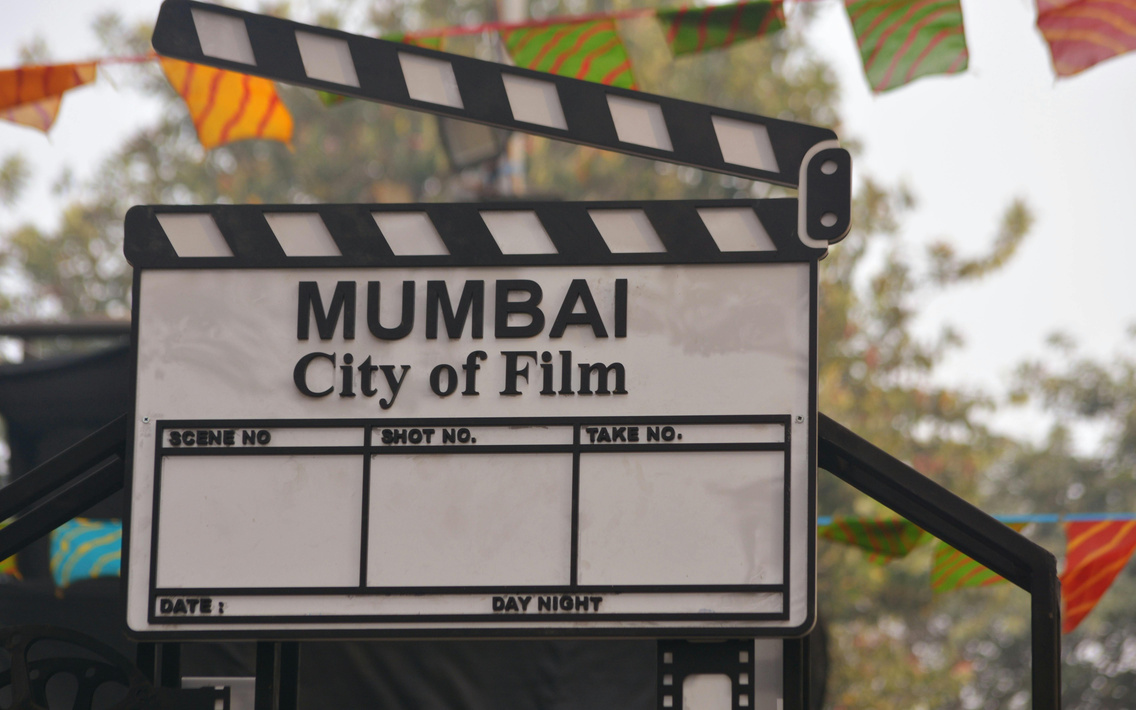
Mumbai Modern Culture and Cinema
Output Possibilities:
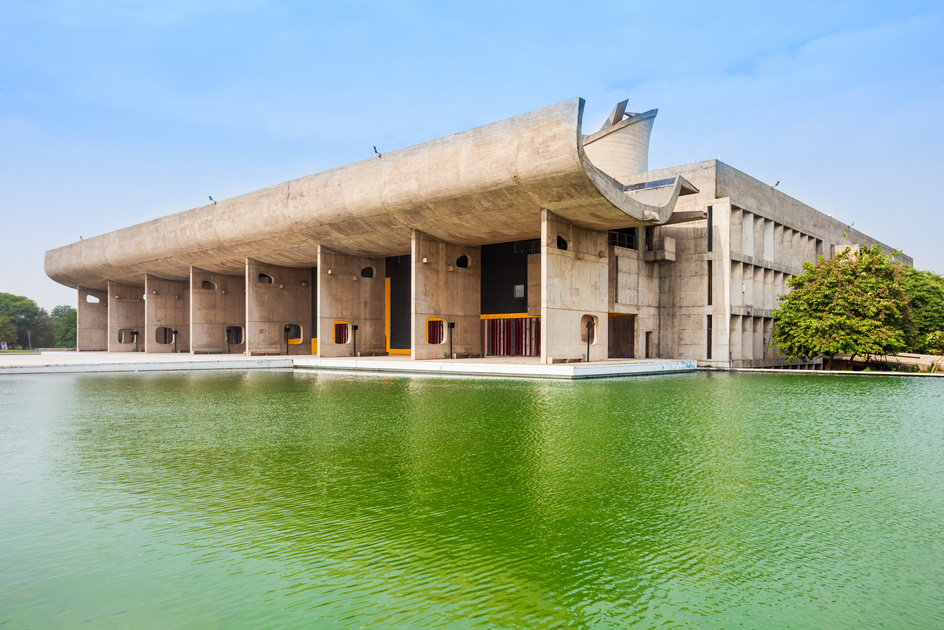
Chandigarh and Dharamshala: Design and Civic Memory
Output Possibilities:
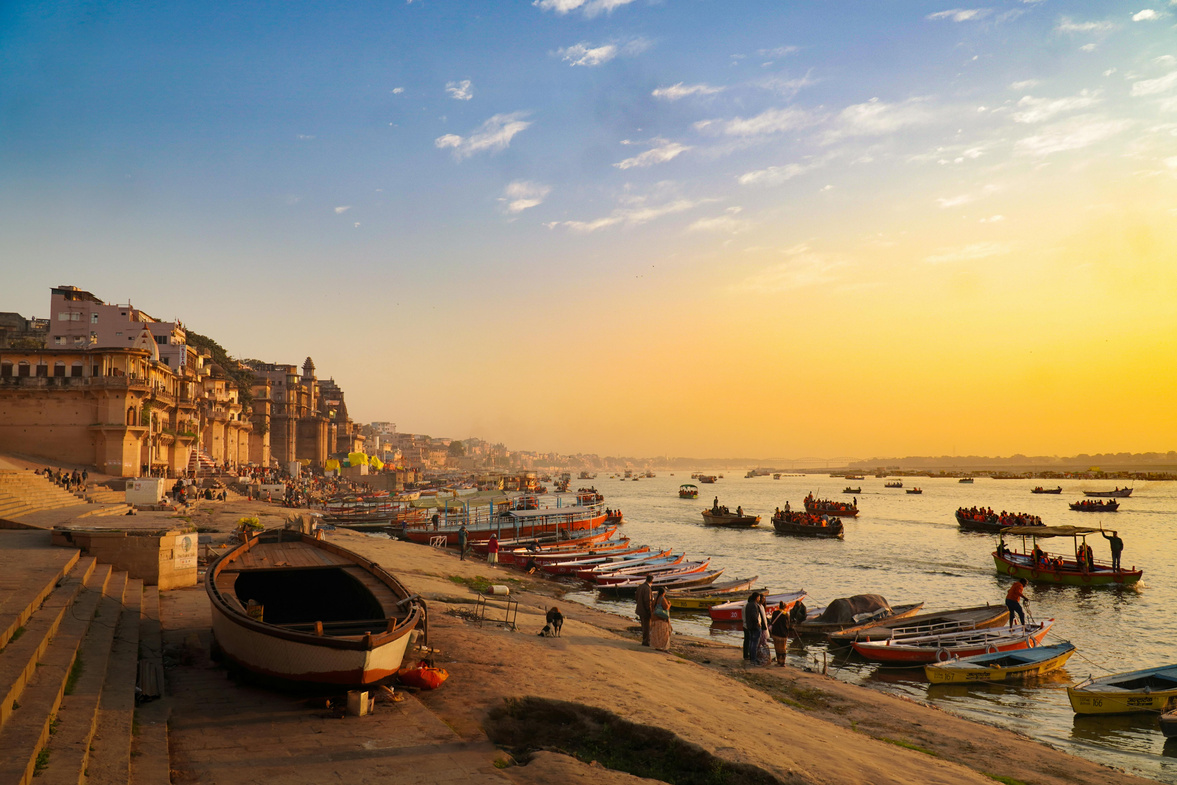
Varanasi and Sarnath: Ritual and Public Meaning
Output Possibilities:
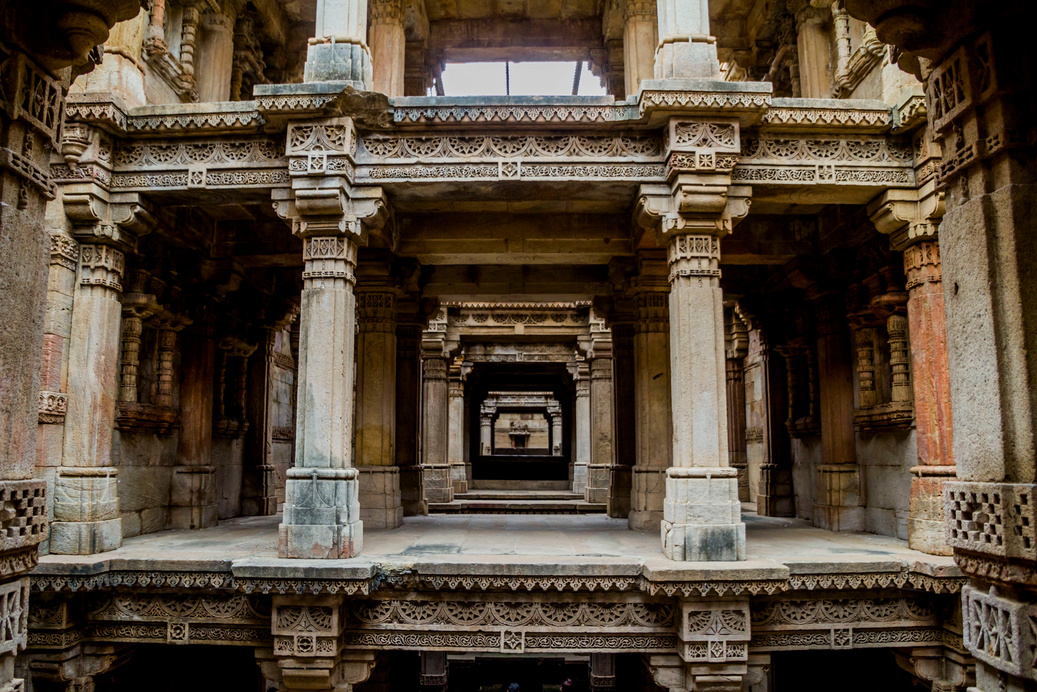
Ahmedabad Historic Urbanism and Community Forms
Output Possibilities: