Kolkata Intellectual and Cultural History
Kolkata Intellectual and Cultural History
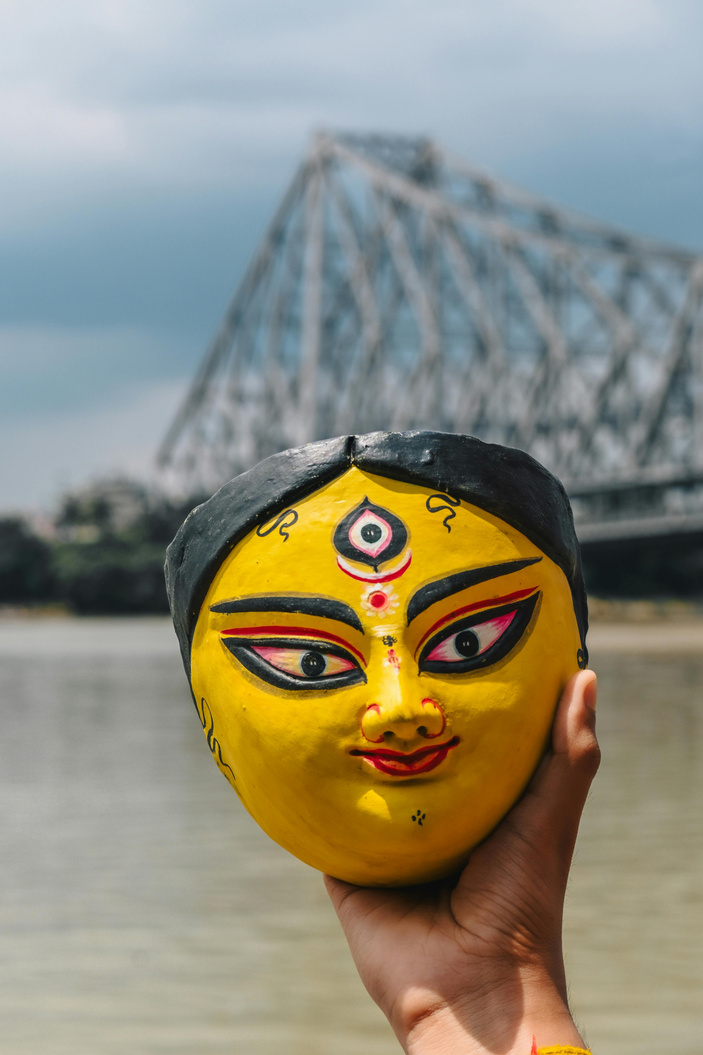
Kolkata becomes a living archive of literary modernity, reform movements, theatre traditions, and political imagination. Rather than treating the city as background context, students approach it as an evolving intellectual ecosystem where ideas circulate across institutions, neighborhoods, and performance spaces.
Through structured walking seminars, archival engagement, book district immersion, and theatre analysis, students trace how print culture, debate, and artistic production shape civic life. The program remains entirely within Kolkata to privilege depth over breadth, allowing sustained inquiry into how cultural movements take root, transform, and endure.
Students leave with a layered understanding of how cities generate intellectual energy and how public discourse is staged, contested, and archived.
Students will:
-
Interpret literary districts, theatre traditions, and print culture as engines of public thought and reform.
-
Analyze how intellectual movements move from salons and publishing houses into civic consciousness.
-
Examine theatre as a space where politics, aesthetics, and identity intersect.
-
Ask: How does a city generate ideas that travel beyond its geography?
-
Practice ethical oral history methods in artistic communities.
-
Produce a layered narrative portfolio combining archival insight, spatial mapping, and performance analysis.
-
Explore how memory and dissent are preserved through cultural institutions.
Read More

Literature
.gif)
History
.gif)
Cultural Studies
%20(1).gif)
Performance Studies

Anthropology
.gif)
Media Studies

Philosophy

Communications