
Walking the Path of Buddha
Walking the Path of Buddha
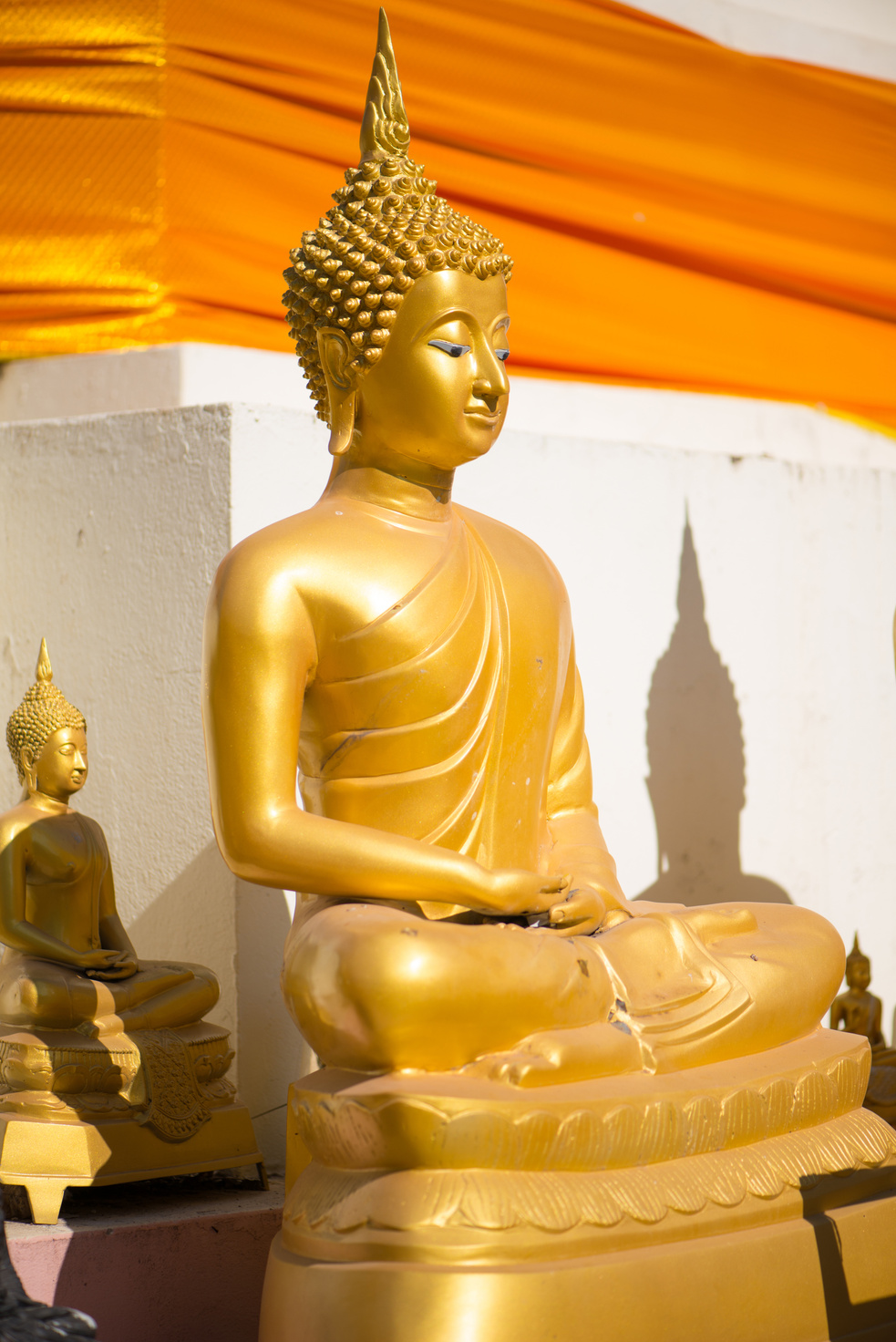
This trans-border program follows the sacred geography of Buddhism from Nepal to India, linking Lumbini with major historical and monastic centers across the Gangetic plains.
Students engage in pilgrimage not only as devotion, but as infrastructure, shaped by economy, heritage stewardship, knowledge institutions, and modern tourism systems.
The journey integrates sacred landscapes, monastic universities, archaeological remains, and contemporary monastery zones, offering a place-based, comparative lens on how Buddhist traditions evolved across centuries and political boundaries.
The approach is interdisciplinary, transnational, and grounded in ethical, cross-border inquiry.
Students will:
-
Trace Buddhist sacred geography using place-based observation and mapping.
-
Examine pilgrimage routes as economic, social, and institutional systems.
-
Compare monastic learning traditions across regions and historical periods.
-
Explore how heritage preservation and tourism intersect in sacred sites.
-
Ask compelling questions such as:
- How does sacred geography shape religious continuity across borders?
- How do pilgrimage economies sustain both devotion and livelihood?
- What does it mean for a spiritual path to become a heritage corridor?
-
Produce a structured “Buddha Trail” portfolio including maps, site briefs, and reflective synthesis.
Read More

Religious Studies
.gif)
History

Anthropology

Asian Studies

Heritage & Tourism Studies

Peace & Conflict Studies

Education
.gif)
Political Science

Development Studies

Cultural Geography

Urban Studies

Archaeology

Philosophy

Comparative Religion

International Relations

Global Studies
INDIA
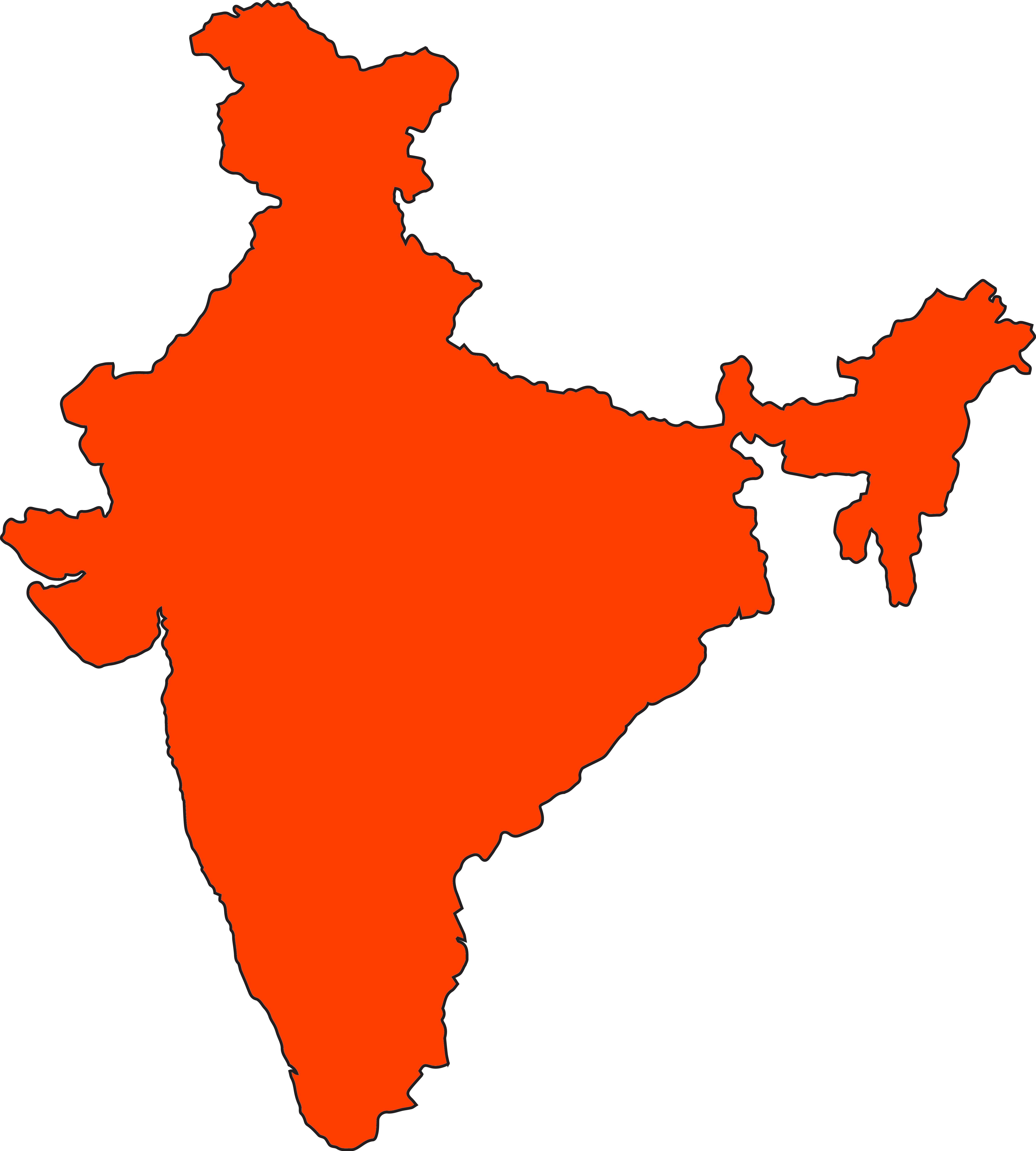
Bodh Gaya
Sarnath
Kushinagar
Rajgir
Nalanda
Delhi (Museum & Synthesis Base)
NEPAL
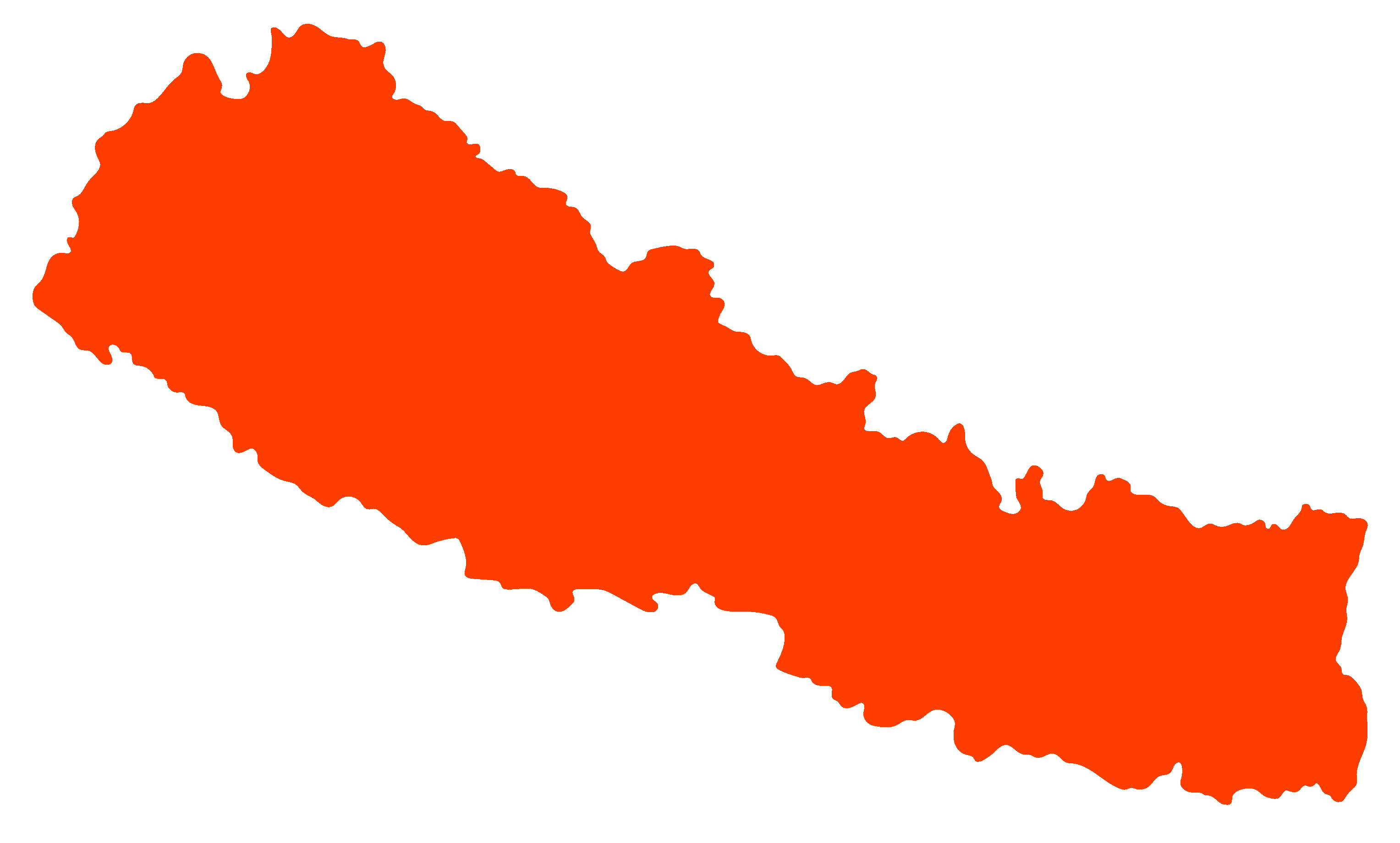
Kathmandu
Lumbini
Trans-Border Buddha Trail: Nepal to India
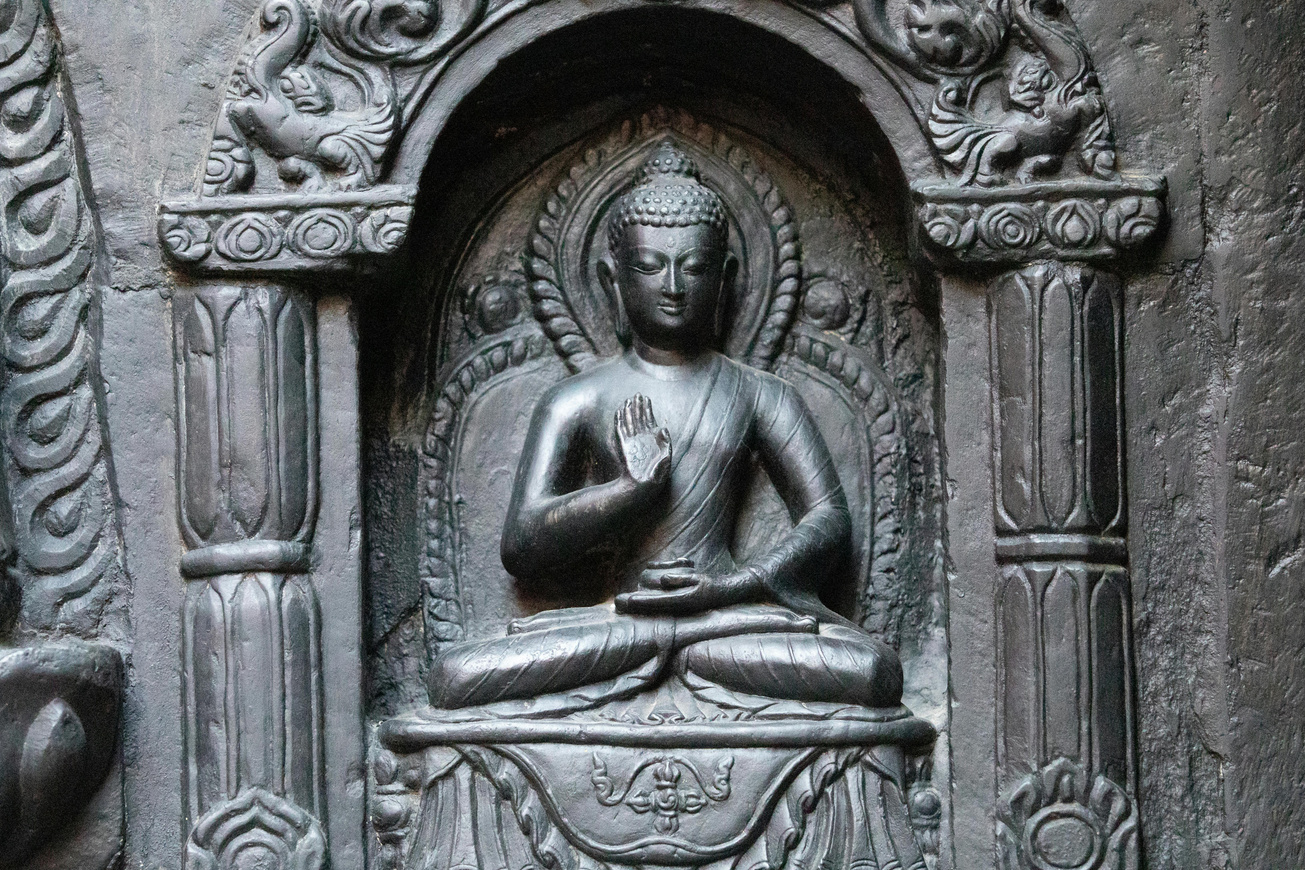
Focus
Sacred geography, pilgrimage economies, monastic institutions, heritage stewardship, cross-border cultural continuity
Core Inquiry
How does a sacred path become a living transnational system of devotion, economy, and knowledge?