0%

Trans-Border Buddha Trail: Nepal to India

Trans-Border Buddha Trail: Nepal to India
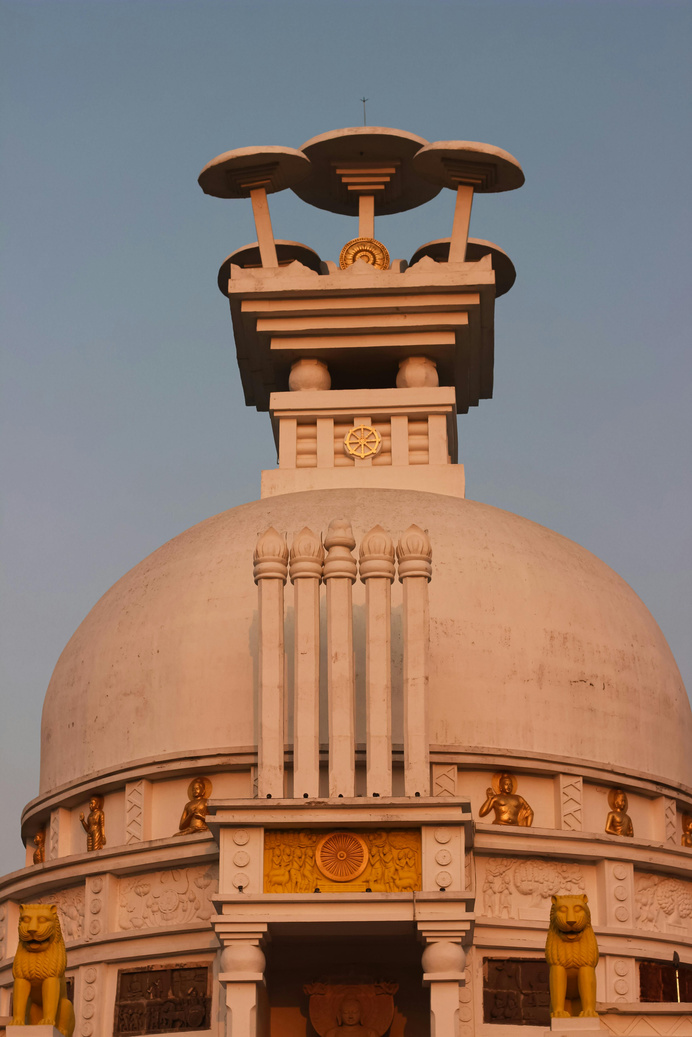
Overview

This immersive journey follows the life, teachings, and institutional legacy of the Buddha across Nepal and India. Beginning in Kathmandu and Lumbini, students examine sacred landscape formation, monastic zones, and pilgrimage flows before crossing into India’s historic Buddhist corridor.

The program integrates archaeological sites, active monasteries, heritage management systems, and museum-based object study, encouraging students to see how devotion, learning, governance, and tourism co-exist along a sacred path that transcends national borders.

LEARNING OUTCOMES

Students will:

  • Trace Buddhist sacred geography through place-based mapping.
  • Analyze pilgrimage systems as economic and institutional infrastructures.
  • Compare monastic education traditions across regions.
  • Examine heritage stewardship and tourism trade-offs.

  • Produce a “Buddha Trail” portfolio integrating sacred route maps and site briefs.
  • Read More

IDEAL DISCIPLINES

Religious Studies

History

Anthropology

Asian Studies

Heritage & Tourism Studies

Peace & Conflict Studies

Education

Political Science

Development Studies

Key Locations

Kathmandu
Lumbini
Bodh Gaya
Sarnath
Nalanda
Rajgir
Delhi

Itinerary Table

Day Location Academic Focus & Activities Learning Emphasis
1
Kathmandu Arrival; orientation; introduction to Buddhist transnational history Establishing a cross-border inquiry frame
2–3
Kathmandu Seminar: Buddhism across South Asia; sacred geography mapping; border logistics and ethical engagement briefing Preparing for a place-based, transnational study
4–5
Lumbini Sacred landscape immersion; monastery zone comparison; pilgrimage economy observation Interpreting pilgrimage as infrastructure and lived practice
6–10
India Buddhist Corridor Site immersion in key Buddhist geographies (e.g., Bodh Gaya, Sarnath, Nalanda, Rajgir, Kushinagar as feasible); heritage and community interface; museum object study Connecting built heritage, knowledge institutions, and contemporary systems
11–12
Delhi Comparative synthesis studio; “Buddha Trail” portfolio development Integrating sacred, economic, and institutional dimensions
13
Delhi Departure Closure