Port-Led Development & Corridor Strategy
Port-Led Development & Corridor Strategy
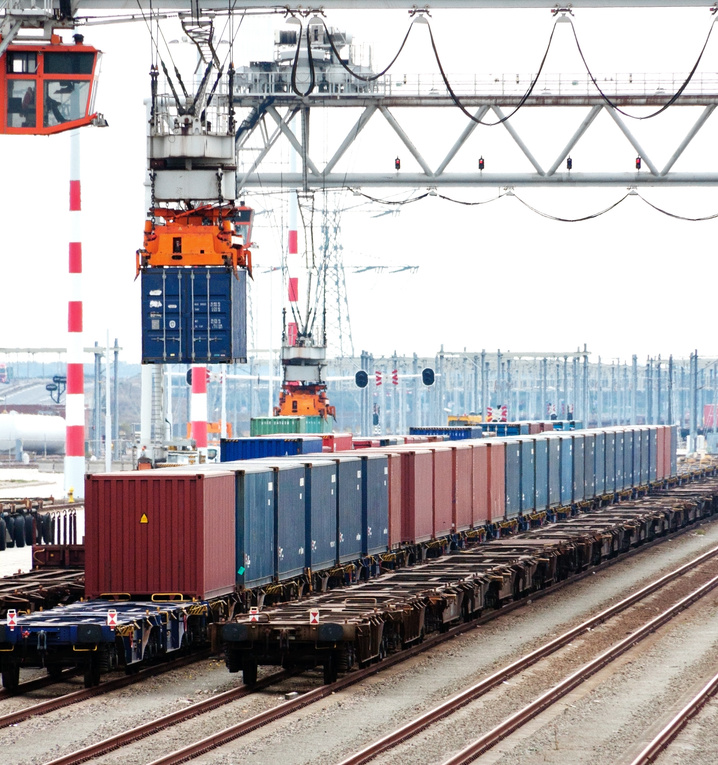
The program begins in Mumbai with seminars on maritime trade as geostrategy, port-led development logic, and industrial corridor economics. A structured methods lab equips students with corridor mapping tools, stakeholder analysis frameworks, and process-flow modeling techniques.
Field visits to port-city logistics ecosystems (permissions-based, PPE required) expose participants to terminal operations, hinterland connectivity, warehousing networks, and regulatory oversight mechanisms.
The Gujarat corridor module examines industrial clusters, dry ports, multimodal nodes, and west-bound trade flows linking India to Africa and the Gulf. A resilience studio models disruption scenarios including climate events, sanctions exposure, congestion shocks, and maritime chokepoint instability.
The final Delhi phase situates corridor-level insights within national multimodal planning frameworks and Indo-Pacific strategy narratives. Participants synthesize their findings into a faculty-gradeable corridor strategy brief incorporating governance, logistics, and geopolitical risk analysis.
Students will:
-
Conduct structured multimodal corridor mapping.
-
Analyze port governance and industrial cluster competitiveness.
-
Evaluate chokepoint risk implications for trade continuity.
-
Model disruption and resilience scenarios.
-
Produce a corridor strategy brief integrating economic and geopolitical considerations.
Read More


Supply Chain
.gif)
Economics

International Relations

Engineering

Public Policy

Maritime Studies

Business