
Tibetan Trail of Tears
Tibetan Trail of Tears

This theme examines modern Tibetan exile as a case study in stateless governance, cultural preservation, and non-violent political strategy. Through the lived landscape of the Tibetan community in India, participants explore how displacement transforms institutions, identity, and international advocacy.
The program integrates multiple lenses:
- 20th-century geopolitics and the 1959 uprising
- Competing sovereignty narratives and international law debates
- Dharamshala as a functioning governance-in-exile hub
- Cultural preservation as resilience infrastructure
- The philosophical and strategic foundations of non-violent struggle
- Historical Tibet–Mongol relations and Buddhist patronage networks
Participants move from historical grounding to institutional observation to analytical synthesis — producing a case study on exile institutions as durable systems of memory and political continuity.
Participants will:
-
Explain key milestones in modern Tibetan history, including the 1959 turning point and formation of the exile government.
-
Analyze Dharamshala’s role as the seat of the Central Tibetan Administration (CTA) and its institutional architecture.
-
Evaluate cultural preservation institutions such as archives, libraries, monasteries, and schools as forms of political resilience.
-
Examine non-violent strategy through the “Middle Way Approach,” assessing both institutional framing and critical perspectives.
-
Situate Tibet–Mongol–Yuan patronage dynamics within the spread of Tibetan Buddhism and identity formation.
-
Produce a “memory + institution” case study brief integrating historical evidence, institutional design, and political strategy.
Read More
.gif)
Political Science

International Relations

Human Rights

Anthropology

Aerospace Engineering

Religious Studies

Peace & Conflict Studies

Asian Studies
.gif)
Sociology

Law
.gif)
Media Studies

Education

Philosophy
.gif)
Migration Studies

Global Studies
.gif)
Cultural Studies
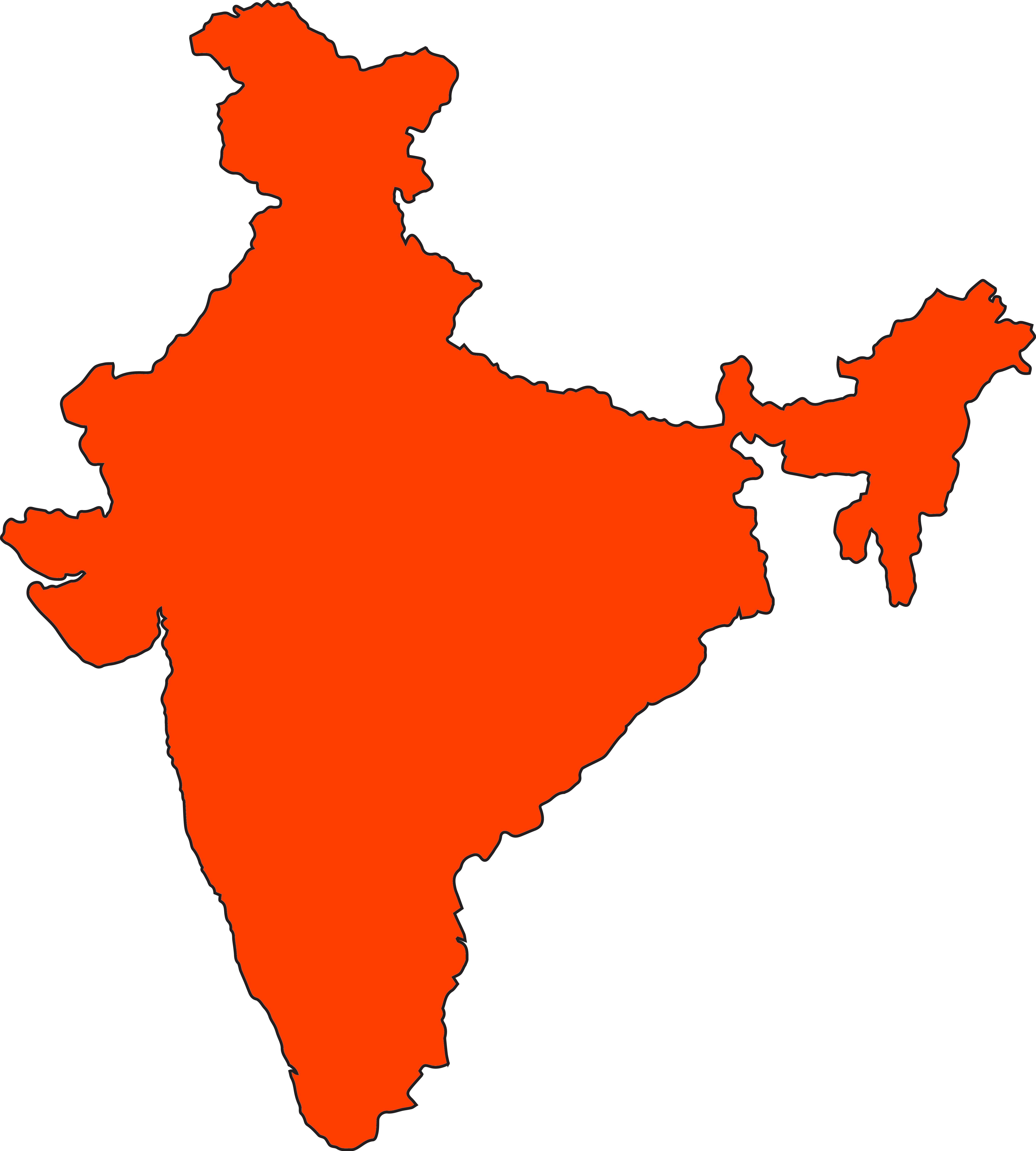
INDIA
New Delhi
Dharamshala
Central Tibetan Administration (CTA)
LTWA
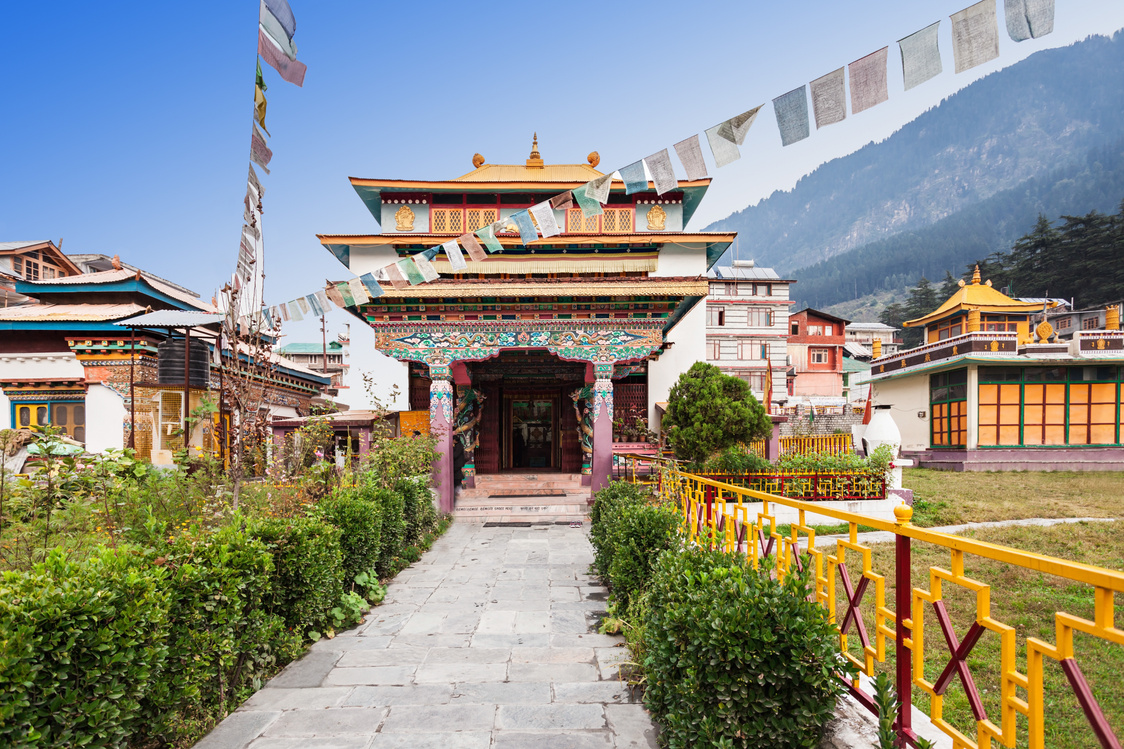
Monastic Institutions
Sample Itinerary1
Focus
Exile governance, cultural preservation, non-violent political strategy, and historical identity
Core Inquiry
How do exile institutions sustain political identity, cultural memory, and non-violent resistance across generations?
New Delhi → Dharamshala region → Tibetan institutional ecosystem
Output Possibilities: