Mountain Justice & Himalayan Livelihoods (HKH Region)
Mountain Justice & Himalayan Livelihoods (HKH Region)
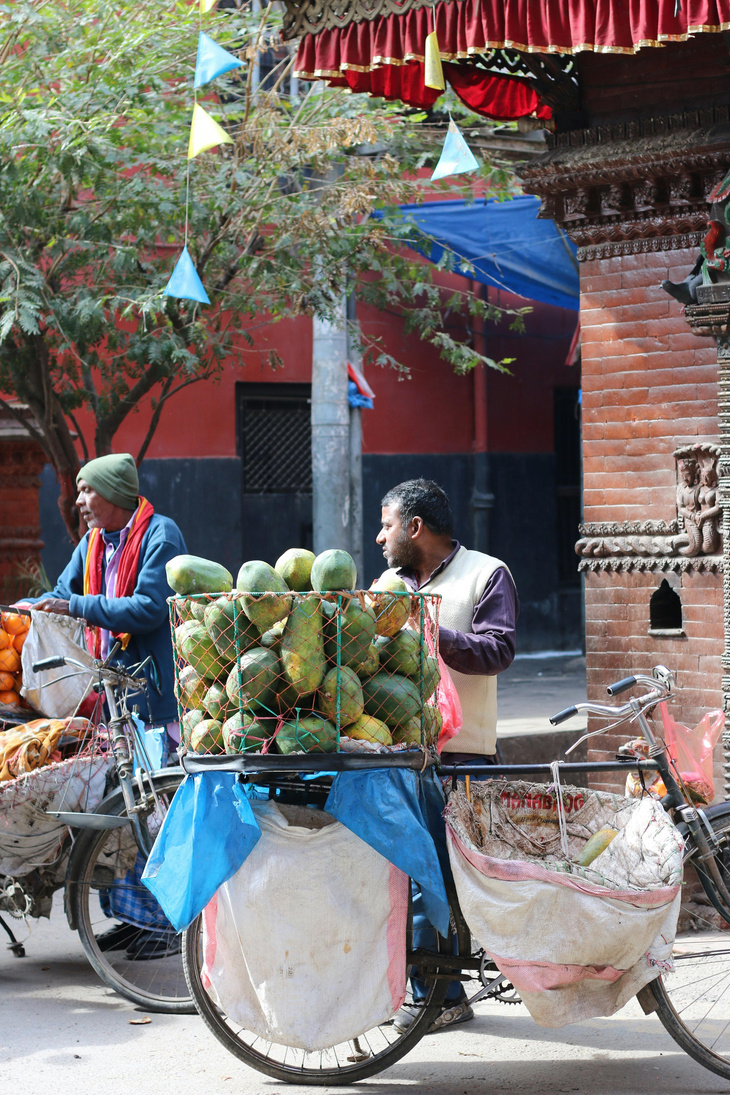
This 13-day field seminar situates students within the Himalayan–Karakoram–Hindu Kush (HKH) region to examine climate vulnerability, glacial retreat, migration, tourism economies, and ecosystem–health interdependence.
Nepal provides a powerful case study in mountain justice. Communities face erratic monsoons, changing snowlines, glacial lake outburst flood (GLOF) risk, water insecurity, out-migration, and a rapidly expanding tourism economy. At the same time, biodiversity, sacred landscapes, and fragile ecosystems structure both livelihood and identity.
Students begin in Kathmandu with conceptual grounding in One Health, mountain political ecology, and justice theory. Field immersion in the Pokhara corridor explores watershed systems, tourism–livelihood linkages, remittance economies, and local adaptation strategies.
The program culminates in a Mountain Justice Adaptation Proposal integrating ecological, economic, and public health dimensions.
Students will:
-
Apply mountain justice and political ecology frameworks to analyze Himalayan vulnerability.
-
Interpret glacial retreat and watershed change within exposure–sensitivity–adaptive capacity models.
-
Conduct participatory community mapping and livelihood interviews.
-
Examine tourism economies as both adaptive opportunity and climate stressor.
-
Analyze remittance-driven migration as climate adaptation strategy.
-
Integrate One Health frameworks connecting ecosystem change and public health outcomes.
-
Produce an evidence-based mountain adaptation proposal grounded in feasibility and equity.
Read More

Environmental Studies

Geography

Development Studies

Public Policy

Public Health

Political Ecology

Anthropology

Sustainability Studies

Disaster Studies