
Ahmedabad Historic Urbanism and Community Forms
Ahmedabad Historic Urbanism and Community Forms
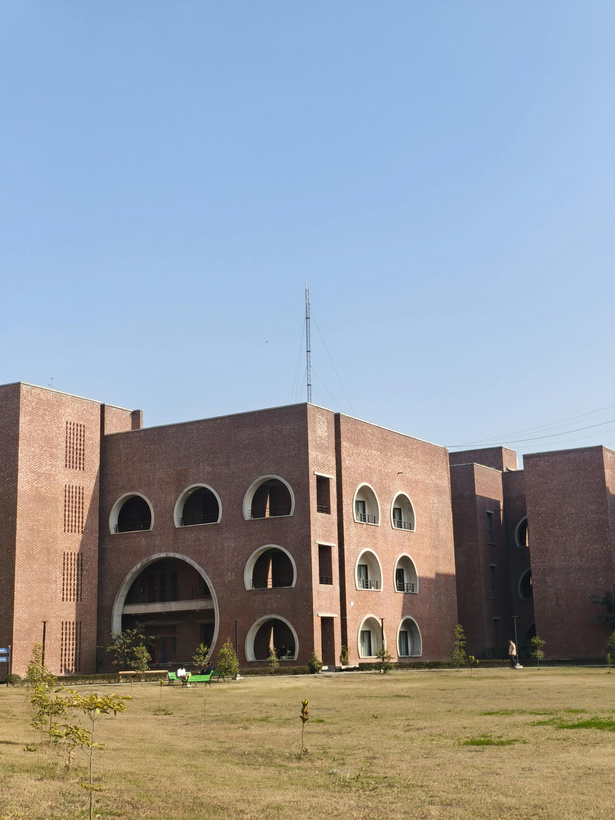
Ahmedabad becomes a laboratory for studying historic urban morphology, neighborhood organization, trade networks, and craft economies. Students explore how architectural forms, guild traditions, and community institutions shape collective identity and economic life.
Old city walking seminars, mapping workshops, and livelihood dialogues reveal how historic urbanism adapts to contemporary pressures. The program integrates spatial reading with socio economic analysis, asking how heritage is lived rather than merely preserved.
The transition to Delhi for final synthesis allows students to situate Ahmedabad’s historic urban logic within broader conversations about development, governance, and continuity.
Students will:
-
Interpret historic urban morphology as a record of trade, religion, caste, craft, and governance systems.
-
Analyze neighborhood systems as adaptive social infrastructure.
-
Ask: How do historic cities remain economically alive without becoming museum spaces?
-
Examine the politics of heritage designation and urban redevelopment.
-
Document craft economies as living knowledge systems rather than static traditions.
-
Produce an urban humanities portfolio integrating spatial mapping, livelihood narratives, and governance analysis.
-
Explore the tension between preservation, modernization, and community agency.
Read More

Urban Studies
.gif)
History

Architecture

Anthropology
.gif)
Cultural Studies

Geography
.gif)
Heritage Studies

Development Studies

Ahmedabad
Historic Neighborhoods
Community Institutions

Delhi