
Maurya & Kalinga: Power, Remorse, and the Ethics of Empire
Maurya & Kalinga: Power, Remorse, and the Ethics of Empire
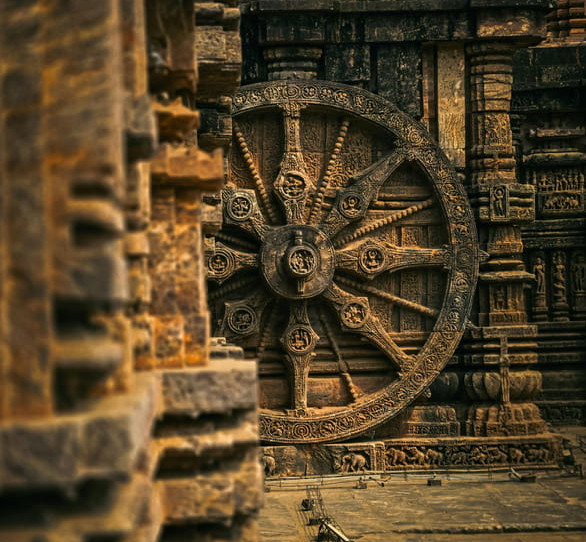
This journey traces the political imagination of the Mauryan world, focusing on Ashoka’s transformation after the Kalinga War. Through sacred landscapes, inscriptions, architecture, and regional memory, students explore how an empire is built and how it redefines itself. Odisha becomes a living classroom where political ethics, devotion, and public narrative intersect.
Students will:
-
Interpret inscriptions as instruments of governance and moral communication.
-
Explore sacred geography as political space.
-
Ask: Can remorse reshape statecraft?
-
Examine how architecture communicates authority and devotion simultaneously.
-
Produce reflective policy-style syntheses linking ancient governance to contemporary leadership dilemmas.
Read More
.gif)
History

Religious Studies
.gif)
Political Science
.gif)
Ethics

Philosophy

Public Policy

South Asian Studies

Archaeology
.gif)
Art History
.gif)
Cultural Studies

International Relations

Education

Leadership Studies

Delhi

Bodh Gaya Corridor
Bhubaneswar
Konark Sun Temple