
Himalayan Studies and Outdoor Leadership
Himalayan Studies and Outdoor Leadership

The Himalaya is not merely a landscape — it is a living system of water, migration, pilgrimage, subsistence agriculture, tourism economies, and climate volatility. This theme integrates outdoor leadership progression with mountain socio-ecological systems inquiry, positioning the Himalayan corridor as both expedition environment and governance classroom.
Drawing from:
- Experiential education theory (Dewey; Kolb)
- Kurt Hahn’s challenge-by-choice and character education philosophy
- Risk and safety culture frameworks in expedition design
- Embodied learning and reflective practice research
- Mountain systems science (glacial hydrology, watershed governance, climate vulnerability, tourism trade-offs)
Participants engage in scaffolded leadership development through structured expedition progression while simultaneously analyzing the hydrological, economic, and governance systems that sustain Himalayan communities.
This is not trekking as recreation. It is a leadership laboratory grounded in reflective pedagogy, risk literacy, systems thinking, and stewardship ethics.
Participants will:
-
Demonstrate progressive outdoor leadership competencies: adaptive decision-making, communication under uncertainty, distributed leadership, and risk awareness.
-
Apply mountain systems knowledge including glacial-fed watershed dynamics, tourism-livelihood interdependence, and climate vulnerability.
-
Practice structured debrief and reflective cycles as disciplined leadership methodology.
-
Analyze safety culture using expedition risk management frameworks.
-
Interpret tourism, pilgrimage, and migration flows through socio-ecological systems thinking.
-
Produce a faculty-assessable leadership portfolio and mountain stewardship action plan grounded in evidence and reflection.
Read More


Outdoor Education

Leadership Studies

Experiential Education

Environmental Studies

Geography

Sustainability

Climate Science

Mountain Ecology

Adventure Therapy

Education
.gif)
Organizational Behavior

Human Development

Development Studies

Public Policy

Risk Management

Environmental Anthropology

Resilience Studies
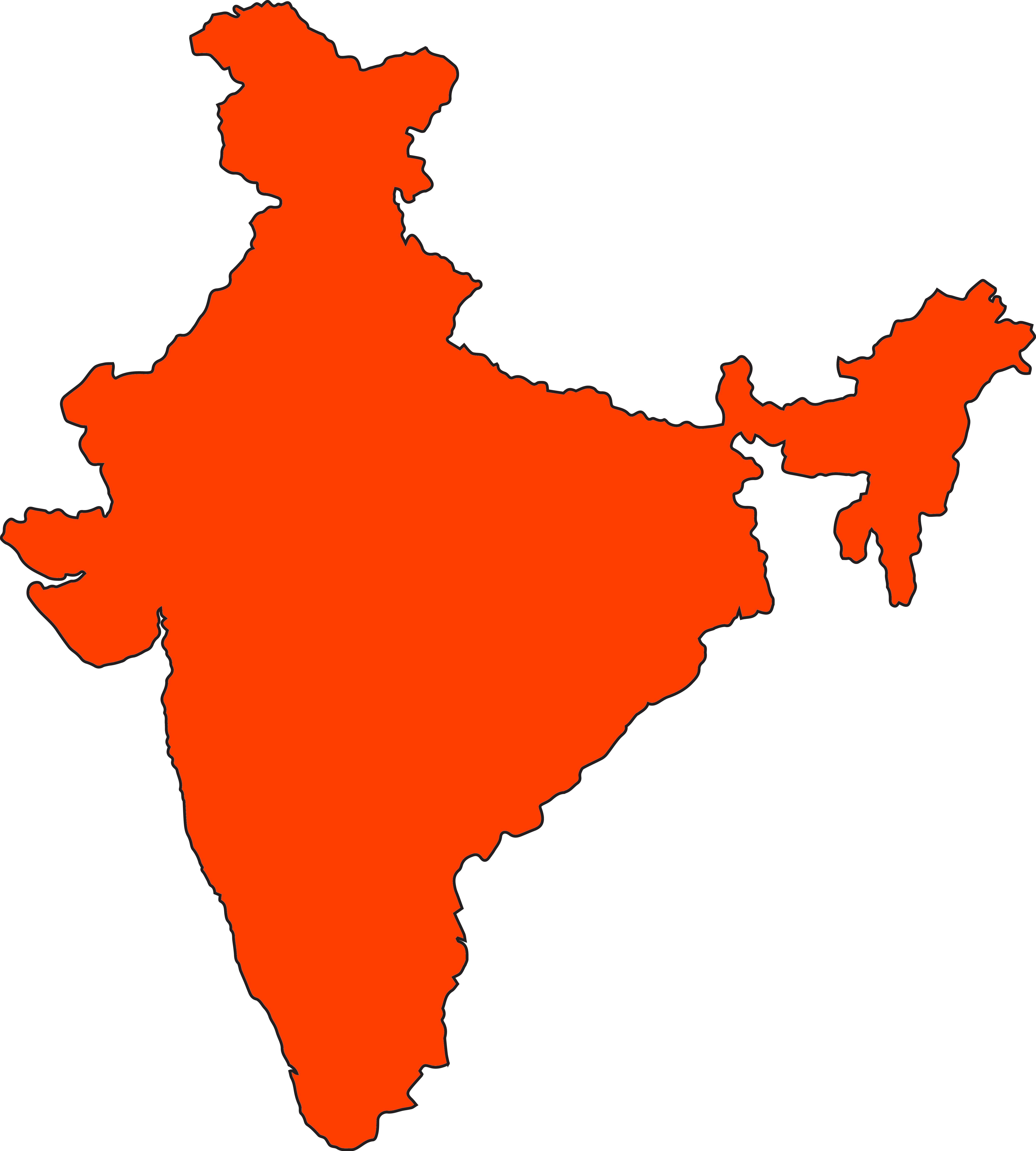
INDIA
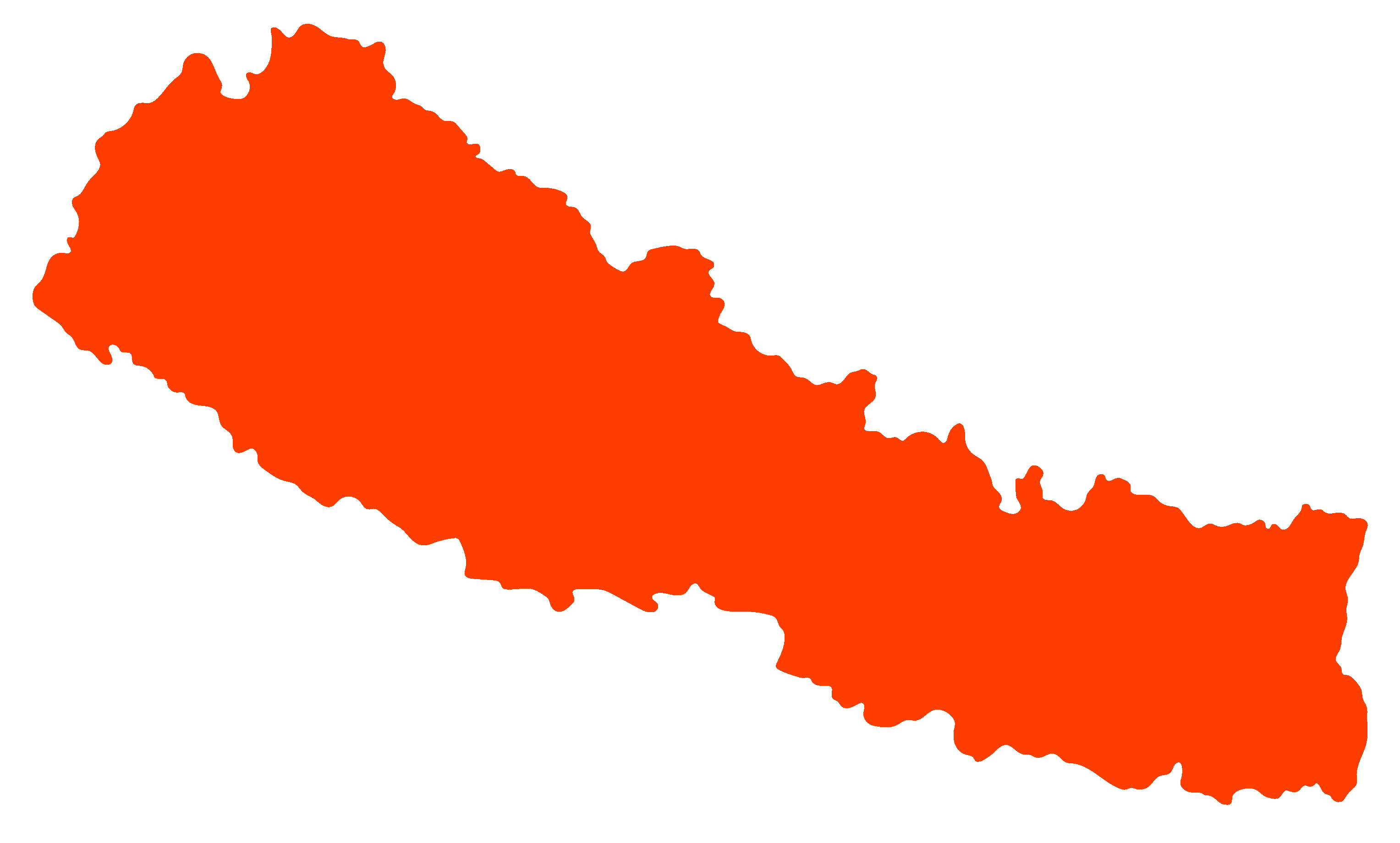
NEPAL
Uttarakhand: Expedition Leadership and Watershed Systems
%20(1).jpg)
Pokhara Corridor: Leadership, Resilience, and Himalayan Systems
Himachal: Distributed Leadership and Community Stewardship

Output Possibilities: