
Wildlife Conservation and Biodiversity
Wildlife Conservation and Biodiversity

Wildlife conservation is not simply a matter of species protection — it is a question of governance, institutional design, justice, and resilience under ecological stress. This theme treats biodiversity landscapes as socio-ecological systems shaped by power, law, livelihoods, climate risk, and competing development priorities.
Drawing on Elinor Ostrom’s commons theory, political ecology, resilience and adaptive cycle theory (Holling), and polycentric governance frameworks, participants interrogate how conservation institutions function in practice:
- Who governs shared ecological resources?
- How are costs and benefits distributed?
- What happens when climate volatility, tourism economies, or infrastructure pressures destabilize equilibrium?
India’s biodiversity corridors — from floodplain grasslands to mangrove deltas, rainforest hotspots, and high-altitude alpine ecosystems — offer visible case studies of coexistence under pressure. These landscapes make governance tangible: enforcement mechanisms, compensation systems, buffer-zone management, decentralized institutions, and conservation–livelihood trade-offs are all observable in situ.
The program integrates seminars, expert briefings, field observation, stakeholder mapping, structured documentation protocols, and synthesis studios — culminating in faculty-assessable governance or coexistence memos grounded in evidence.
Participants will be able to:
-
Apply Ostrom’s commons design principles to analyze protected area and community governance systems.
-
Use political ecology frameworks to map power, exclusion, and access in conservation landscapes.
-
Conduct stakeholder and institutional mapping using field-based qualitative methods.
-
Interpret biodiversity threats through resilience theory and adaptive cycles.
-
Evaluate conservation–livelihood trade-offs using justice and equity lenses.
-
Produce an assessable coexistence, governance, or adaptive management memo grounded in field evidence.
Read More


Conservation Biology

Ecology

Environmental Studies

Environmental Policy

Political Ecology

Environmental Law

Geography

Anthropology

Sustainability Studies

Development Studies

Forestry

Climate Science
.gif)
Environmental Economics

Public Administration

Natural Resource Management

Global Environmental Governance
.gif)
Sociology
.gif)
Environmental Ethics
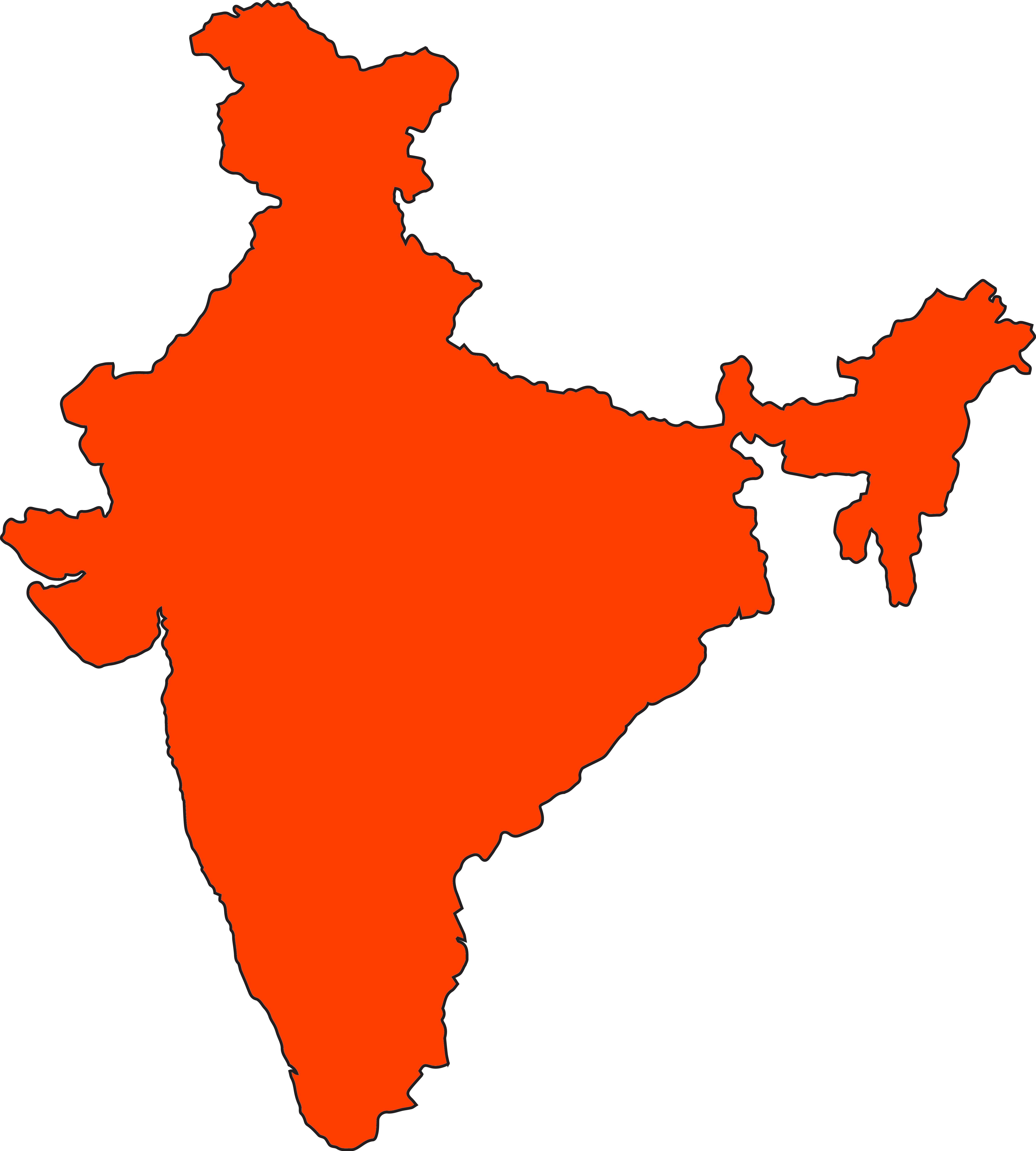
INDIA
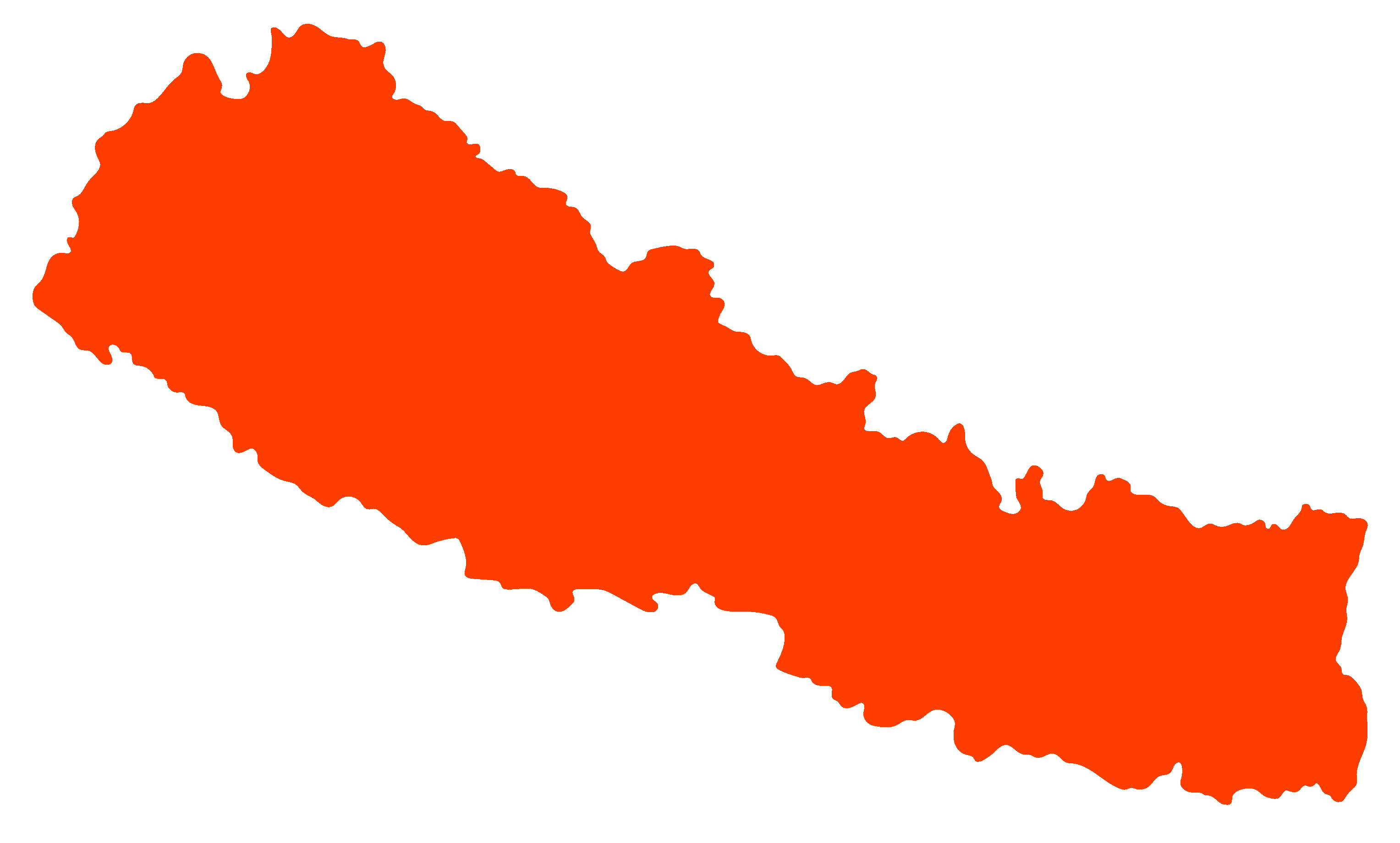
NEPAL
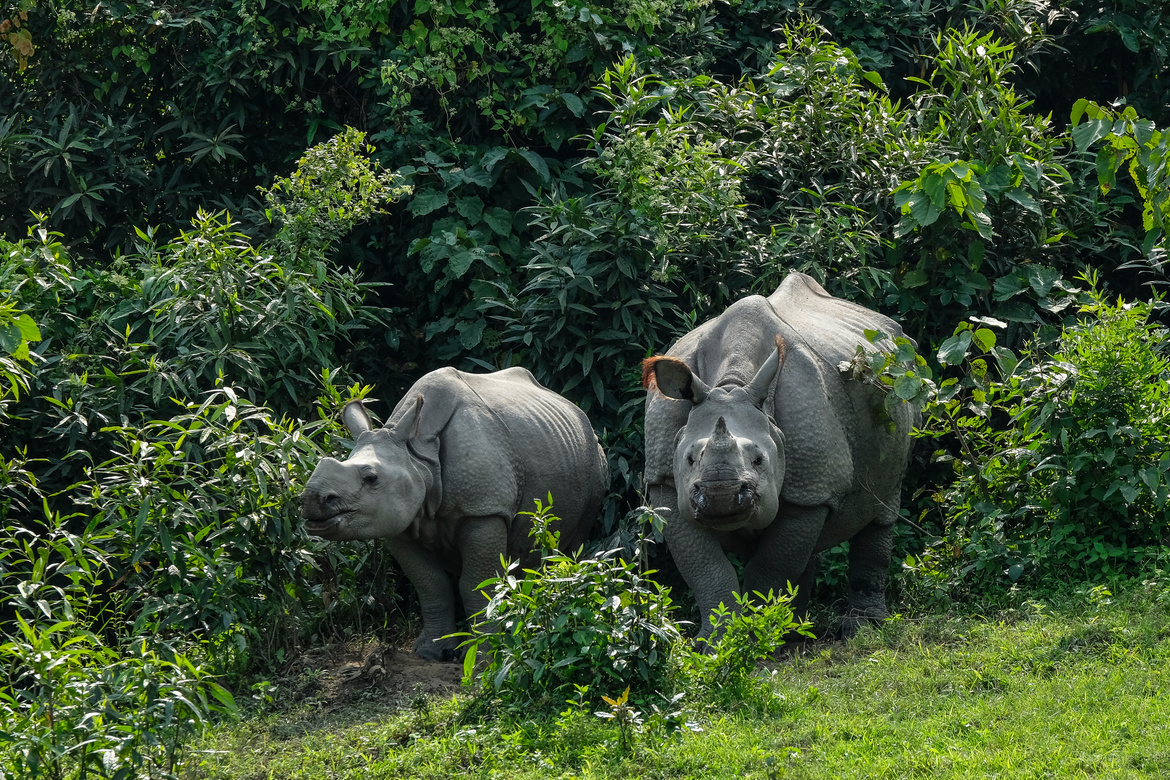
Kaziranga: Floodplain Ecology and Coexistence Systems
Sundarbans: Mangroves, Climate Risk, and Adaptive Governance

Output Possibilities:
Chitwan: Community Forestry and Buffer-Zone Governance
.png)
Output Possibilities:
Western Ghats: Biodiversity Hotspot and Justice Trade-offs
Output Possibilities:
Western Ghats: Biodiversity Hotspot and Justice Trade-offs
Output Possibilities: