
Social Entrepreneurship, Microenterprise & Inclusive Markets
Social Entrepreneurship, Microenterprise & Inclusive Markets
.jpg)
Markets are not neutral spaces. They are shaped by institutions, power hierarchies, gender norms, regulatory structures, and access to finance. This theme examines how enterprise ecosystems are intentionally designed to reduce poverty, expand dignity, and improve inclusion.
Participants analyze self-help group federations, cooperative governance systems, microcredit instruments, refinancing architecture, value-chain integration, quality standards, branding, and market access constraints. Rather than studying entrepreneurship as individual heroism, the program treats it as ecosystem architecture: institutions, credit flows, logistics, bargaining power, and design.
Through seminars, value-chain workshops, ethical field engagement, co-design studios, market observation protocols, and strategy labs, students produce faculty-assessable inclusive market strategies grounded in real institutional realities.
Participants will:
-
Conduct full value-chain mapping (inputs → production → logistics → markets) with stakeholder power analysis.
-
Apply ethical interviewing, participatory mapping, and structured market observation methods.
-
Analyze institutional poverty-reduction architecture (SHG federations, cooperatives, microfinance, refinancing instruments).
-
Evaluate trade-offs between growth, equity, quality standards, and exclusion risk.
-
Design inclusive market entry or scaling strategies with measurable indicators.
-
Produce partner-ready outputs such as a market strategy memo, impact dashboard, or product story portfolio.
Read More

.gif)
Business
.gif)
Economics

Development Studies

Public Policy
.gif)
Sociology

Anthropology

Sustainability

Supply Chain

Gender Studies

Marketing
.gif)
Social Work
.gif)
Data Analytics

International Development
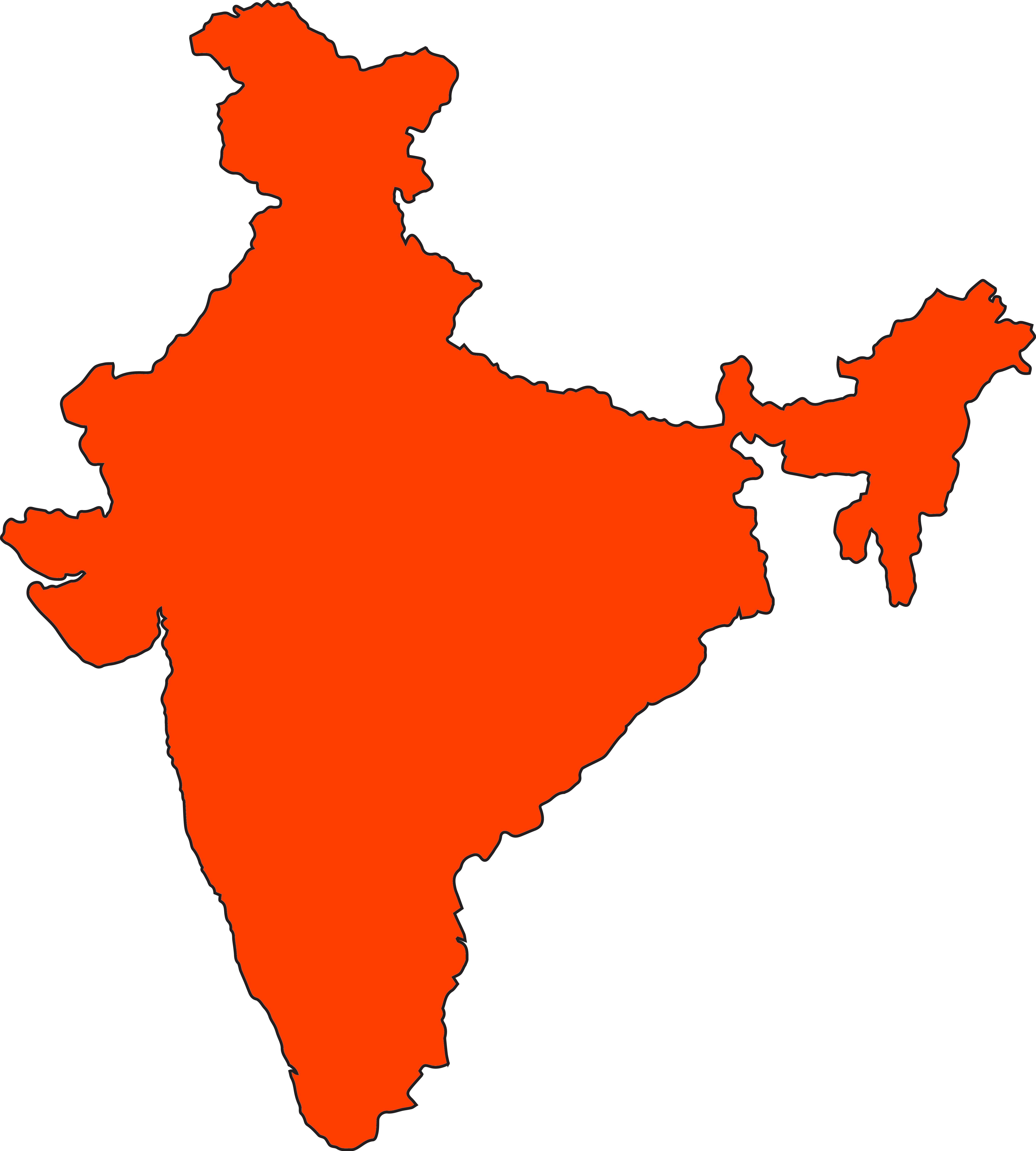
INDIA
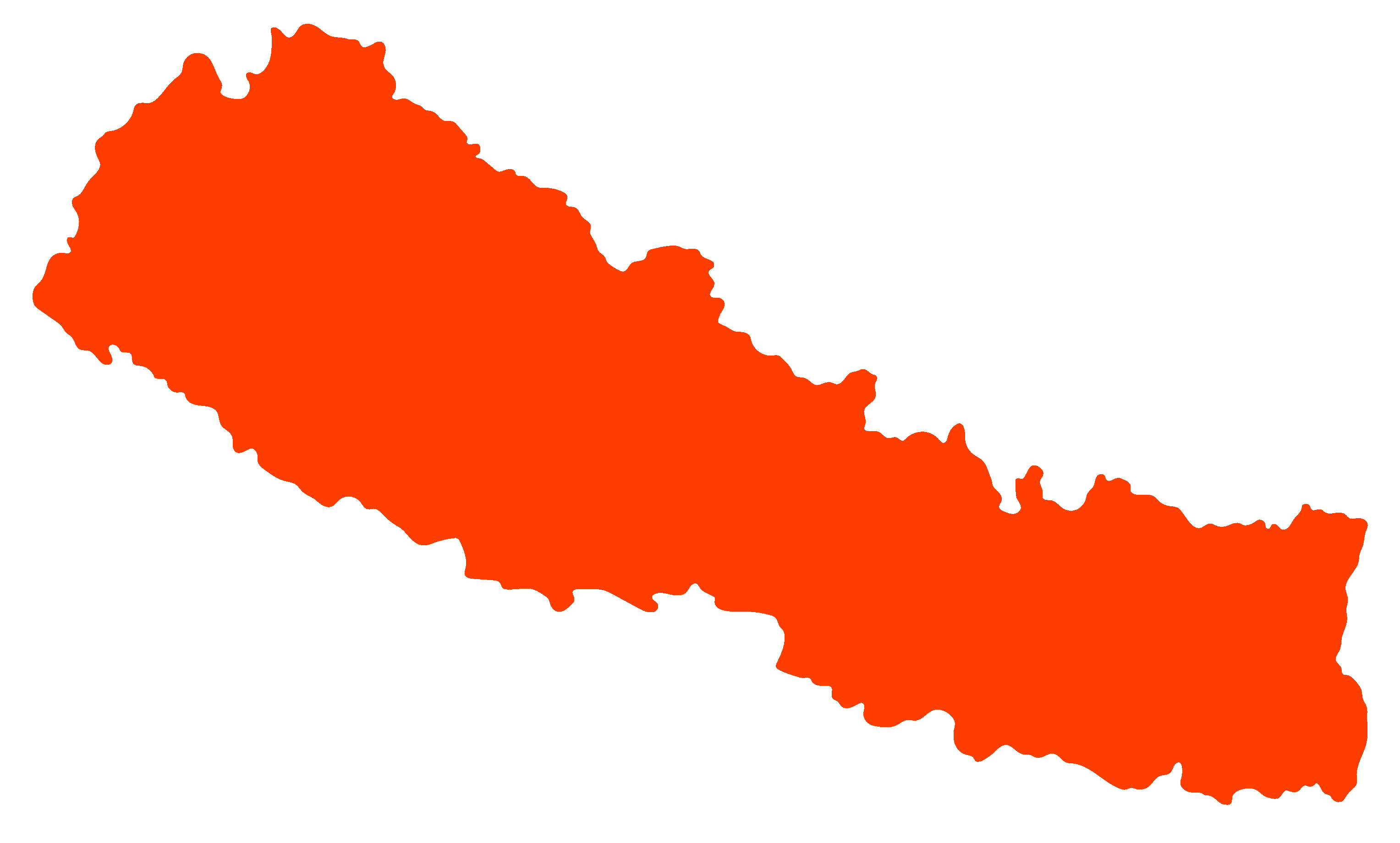
NEPAL
Women-Led Livelihood Institutions
.jpg)
Urban Microenterprise & the Informal City
_0.jpg)
Output Possibilities:
Cooperative Enterprise & Rural Market Systems (Nepal)

Output Possibilities: