
Global Health and One Health Systems
Global Health and One Health Systems
_0.jpg)
Global health is increasingly defined by cross-sector risk at the human–animal–environment interface. Outbreak preparedness, antimicrobial resistance (AMR), food safety, zoonotic spillover, climate-driven mobility, and watershed degradation require coordinated governance beyond traditional public health silos.
This theme approaches One Health as an institutional design challenge: how surveillance systems function, how food and veterinary supply chains regulate antimicrobial use, how incentives align (or fail), and how ecological change intensifies vulnerability. Students analyze preparedness architecture, health equity trade-offs, and system scaling across dense urban environments and fragile ecological corridors.
Through seminars, stakeholder mapping labs, AMR supply chain analysis, watershed field inquiry, and policy synthesis studios, participants produce faculty-assessable risk pathway diagrams and mitigation memos aligned with global One Health priorities.
Students will:
-
Define and map One Health “interfaces” (human, livestock, wildlife, ecosystems).
-
Conduct structured stakeholder mapping across surveillance and food systems.
-
Analyze outbreak preparedness and surveillance as governance and workflow challenges.
-
Map antimicrobial resistance risk across veterinary and food supply chains.
-
Evaluate equity trade-offs in health security investments.
-
Produce a One Health risk pathway diagram and mitigation memo aligned with Quadripartite priorities.
-
Draft a comparative reflection on scale, ecological gradients, and institutional coordination.
Read More


Public Health
.gif)
Global Health

Epidemiology

Environmental Studies

Veterinary Science

Biology

Food Systems

Health Economics

Data Analytics

Anthropology
.gif)
Geography
Development Studies
Climate & Resilience Studies
Public Policy
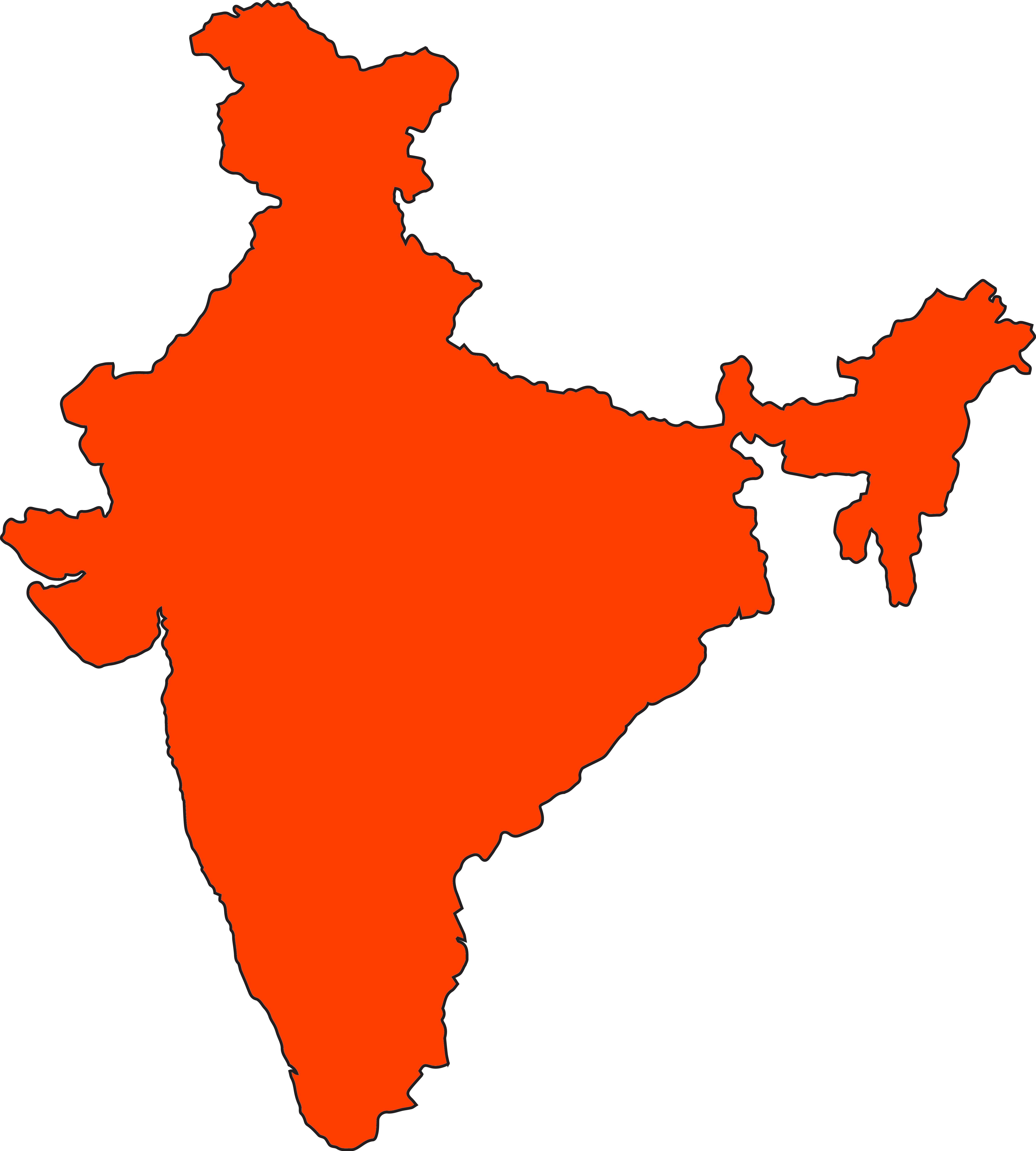
INDIA
Health Security to Healthy Systems
.jpg)