
Gender Studies & Women’s Empowerment
Gender Studies & Women’s Empowerment
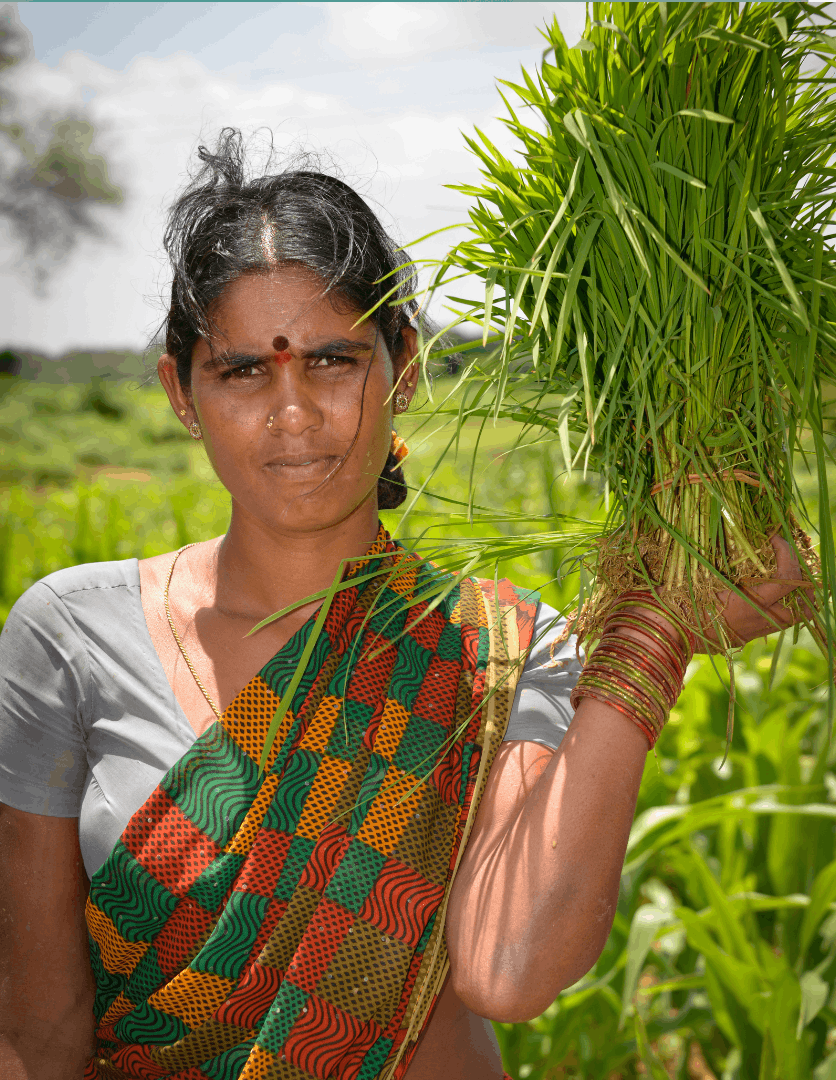
Gender operates through institutions — markets, cooperatives, safety systems, public health networks, governance structures, and community norms. This program examines empowerment not as a slogan, but as a structured interaction between agency and constraint.
Students analyze gender systems across rural livelihoods, cooperative economies, public health access, urban safety, and decentralized governance. Through feminist political economy, intersectionality frameworks, ethical interviewing training, participatory mapping, and policy labs, students produce grounded intervention proposals shaped by lived institutional realities.
Each itinerary integrates seminars, workshops, site visits, stakeholder dialogues, and synthesis studios — culminating in faculty-gradeable outputs and partner-ready documentation.
Students will:
-
Apply intersectional gender analysis frameworks to institutions and markets.
-
Conduct ethical, safeguarding-informed interviews in gender-focused contexts.
-
Map empowerment ecosystems including mobility, safety, access to capital, health, and labor markets.
-
Analyze cooperative and institutional governance structures affecting women’s agency.
-
Integrate community-based learning principles into applied field engagement.
-
Produce an evidence-based gender intervention or policy proposal.
-
Connect field engagement to feminist theory and development frameworks through structured reflection.
Read More

Gender Studies
.gif)
Sociology

Development Studies

Public Policy

Public Health

Economics

Social Work

Anthropology

Political Science

Law
.gif)
Human Rights

International Development
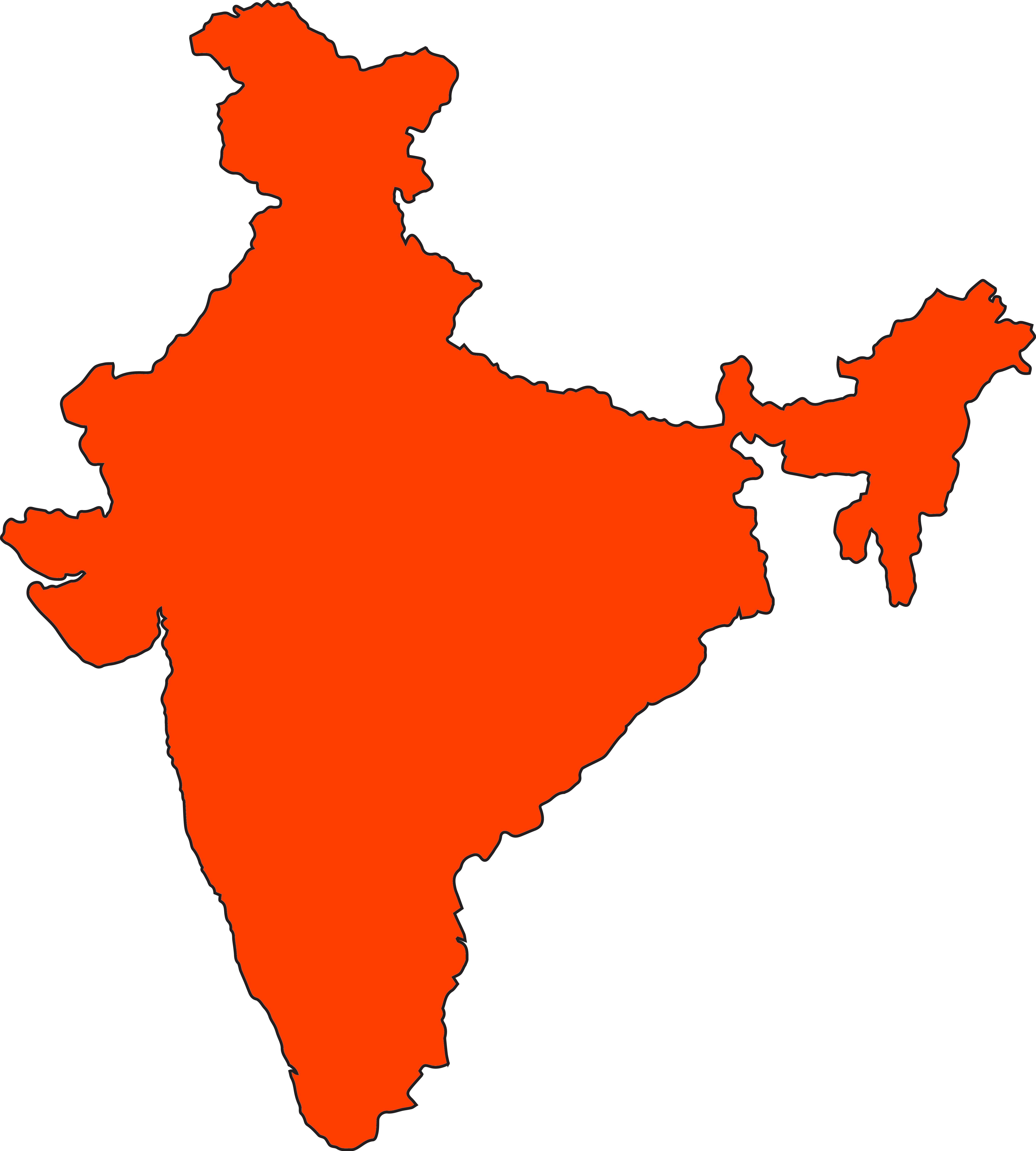
INDIA
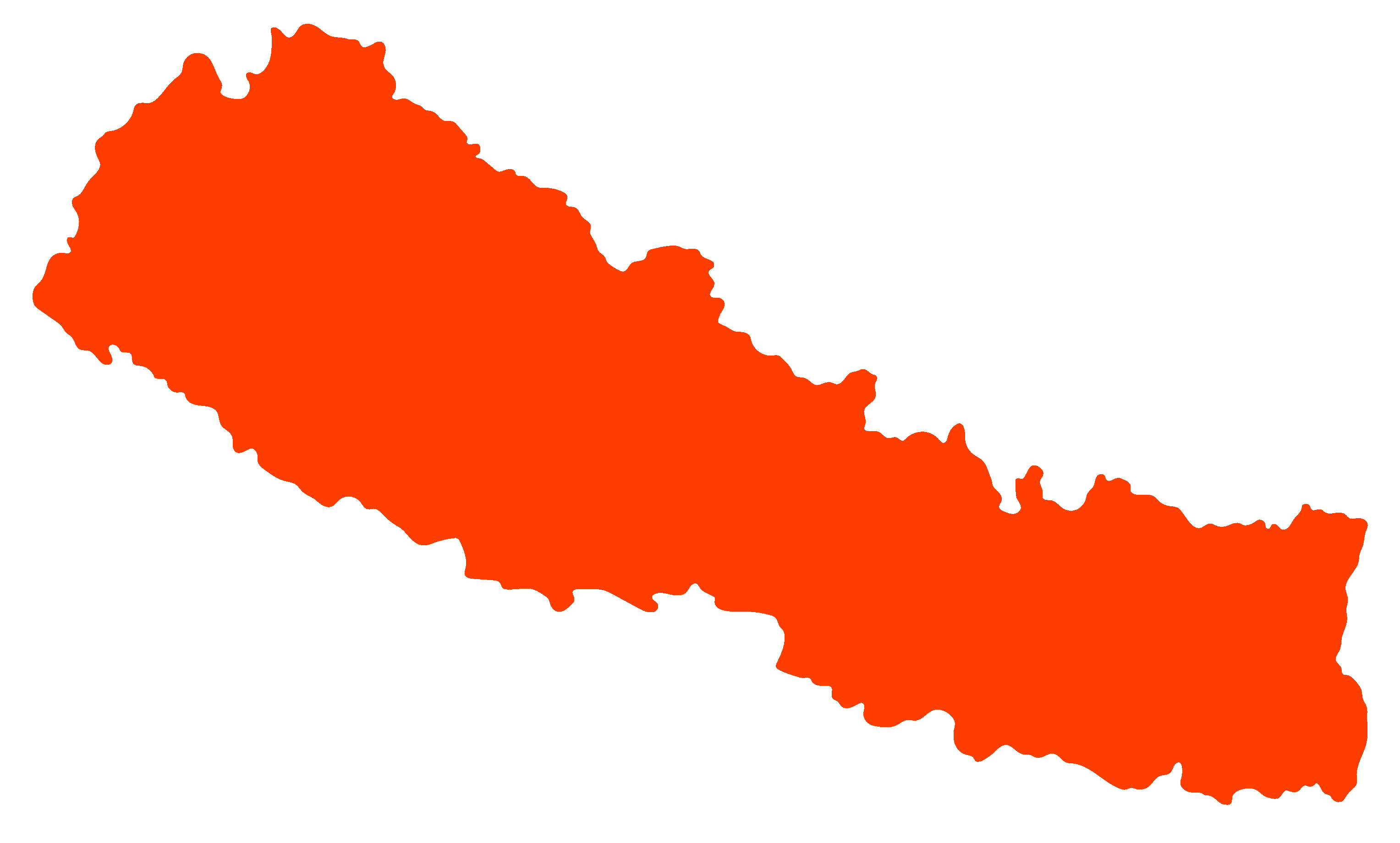
NEPAL
Gender, Policy & Rural Agency
.png)
Gender & Development in Northeast India
%20(1)_0.png)
Output Possibilities:
Gender, Health & Ecological Economies
.jpg)
Output Possibilities:
Women’s Leadership, Cooperatives & Mountain Livelihoods
.png)
Output Possibilities: