
Community Engagement & Community-Based Learning
Community Engagement & Community-Based Learning
.png)
Community engagement, when academically grounded, becomes Community-Based Learning (CBL): a reciprocal, ethically structured partnership between students, faculty, and host communities.
This theme moves beyond charity models toward co-production of knowledge, shared problem-solving, and faculty-aligned research engagement. Students engage with rural institutions, urban systems, youth programs, coastal livelihoods, wildlife conservation actors, and decentralized governance structures as collaborators — not beneficiaries.
Through seminars on safeguarding, participatory research methods, power analysis, inclusion frameworks, and reflective praxis, students learn how to design and execute community partnerships that produce tangible partner-ready outputs alongside rigorous academic reflection.
The emphasis is on:
- Reciprocity over extraction
- Co-design over top-down intervention
- Systems analysis over isolated service
- Reflection as structured intellectual practice
Students will:
-
Apply Community-Based Learning principles including reciprocity, safeguarding, consent, and sustainability.
-
Conduct participatory research using stakeholder mapping, asset mapping, semi-structured interviews, and systems documentation.
-
Analyze institutional ecosystems through power, inclusion, and governance lenses.
-
Co-produce deliverables aligned with partner-defined priorities.
-
Integrate structured reflection connecting field engagement to academic theory.
-
Practice ethical documentation and representation of community narratives.
-
Produce faculty-gradeable academic outputs (reflection essays, case studies, systems briefs) alongside partner-ready deliverables.
Read More

Development Studies
.gif)
Sociology

Anthropology

Education

Social Work

Public Policy
Sustainability Studies

Public Health

Gender Studies

Human Rights
.gif)
Community Psychology

Environmental Studies
.gif)
Political Science
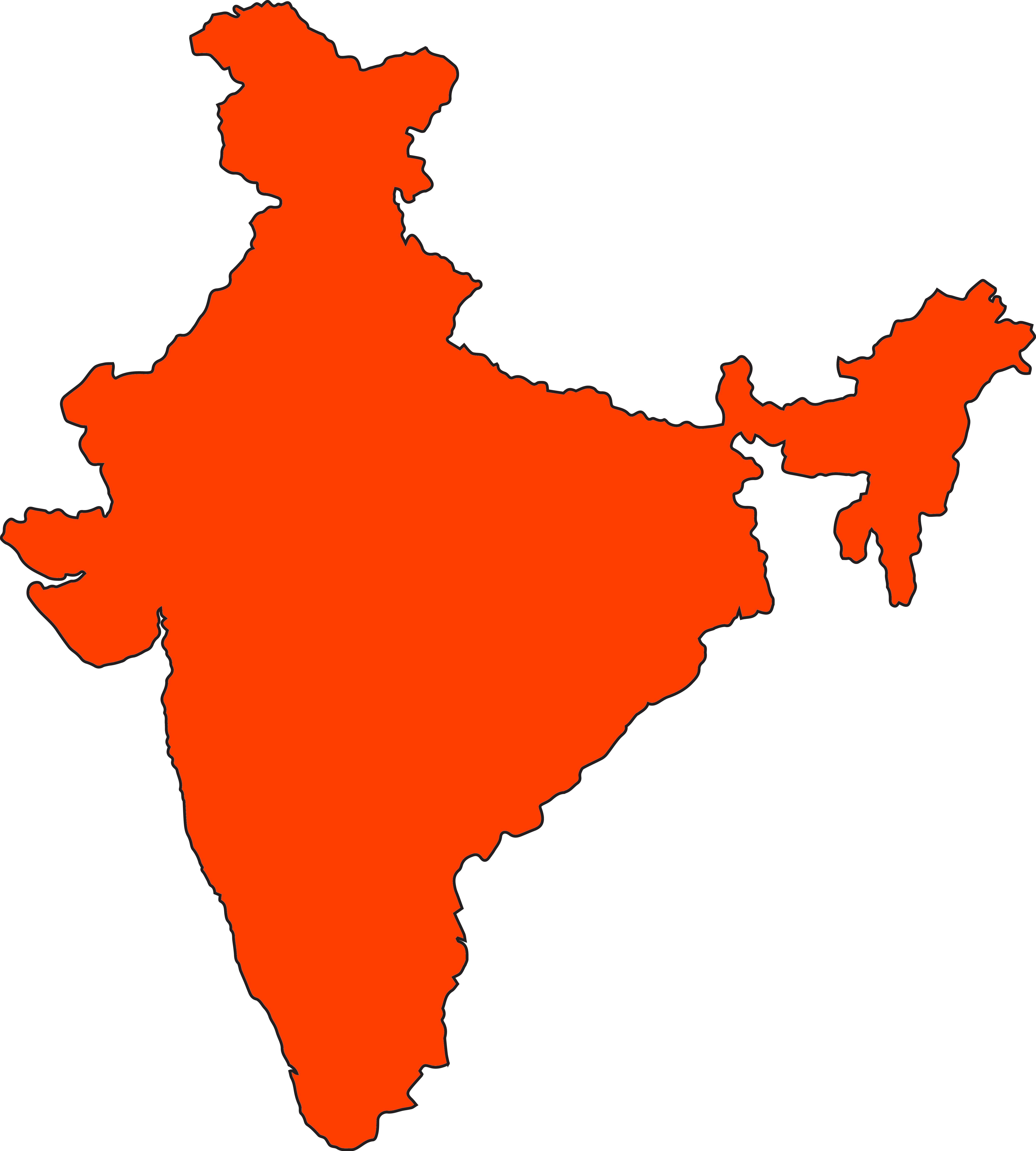
INDIA
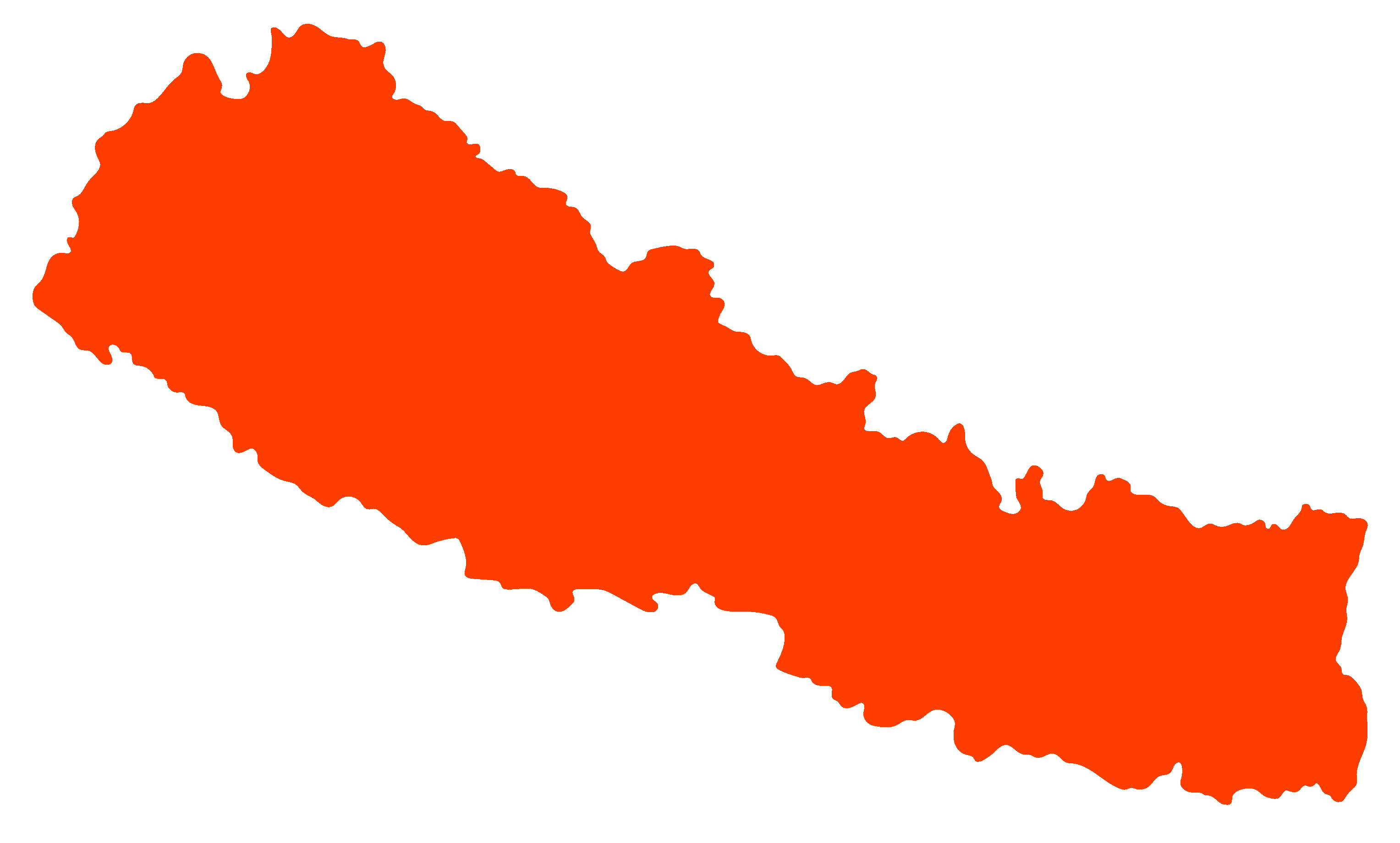
NEPAL
Rural Institutions & Livelihood Systems
.jpg)
Urban Systems & Rural Interface
.png)
Output Possibilities:
Community Forestry & Mountain Livelihoods
.jpg)
Output Possibilities:
Coastal & Highland Livelihood Engagement
.jpg)
Output Possibilities:
Youth Development & Wildlife Ethics
.jpg)
Output Possibilities: